


Have you ever stood outside on a sweltering South African afternoon—maybe the kind that feels like the sun itself decided to move into your backyard—and wondered, “How can I make my home more sustainable so we don’t all melt in a few years?” I’ve been there. In fact, this question used to pop into my head every time my utility bills arrived, or whenever I saw news reports about severe droughts and rising temperatures. And to be honest, it hit me with a weird mix of curiosity and concern.
It’s not just about saving money (though that helps). It’s about creating a place that feels connected to its natural environment. That means rethinking the way we use energy, where our water comes from, and how our homes impact the land around them. Here in South Africa, we’ve seen how climate change can trigger droughts in places like Cape Town or heatwaves that make entire provinces swelter. We can’t ignore those headlines anymore… so we might as well do something about it.
In this guide, we’ll explore practical steps, fresh ideas, and even some interesting anecdotes about greener living options. You’ll see that an eco-friendly lifestyle isn’t just for off-the-grid hippies or hardcore nature activists. It’s for everyone who wants a healthier, more resilient way of life in a rapidly changing world.
Why Eco-Friendly Living Matters Right Now
Picture flipping open your phone and scrolling through the latest headlines: floods in one province, droughts in another, and rolling blackouts all over. This might sound like any given week in 2025, right? These challenges remind us we can’t carry on with business as usual.
A Global Call to Action
Organizations like the World Wildlife Fund’s Living Planet Report warn that our resource consumption is pushing the planet’s boundaries. Closer to home, local scientists at the Council for Scientific and Industrial Research (CSIR) keep cautioning us about water shortages. They’re also sharing new strategies for living in harmony with our environment, proving that sustainable living isn’t just a buzzword—it’s a necessity.
Finding Your Eco-Friendly Property Path
Deciding how to “greenify” your living space can feel like an endless puzzle. We’ve got so many options nowadays, it’s both exciting and a bit overwhelming. But don’t worry—I’ll walk you through the main points, and you can pick what works best for your budget, lifestyle, and sense of adventure.
1. Building (or Renovating) with Sustainable Materials
Think of your home as a living, breathing entity that connects you to nature. The materials you choose matter a lot.
a. Recycled and Reclaimed Goods
Using reclaimed wood or repurposed metal is like giving old resources a second chance. I once helped a friend renovate an old farmhouse in Mpumalanga. We pulled out loads of beautiful wood from a demolished barn next door. That wood eventually became kitchen cabinets and even part of the flooring. It gave the house this stunning rustic look, and we felt good knowing we saved a bunch of logs from heading to the landfill.
b. Sustainable Timber
If reclaimed isn’t your style, look for timber with a Forest Stewardship Council (FSC) certification. This label means the wood comes from responsibly managed forests. When you choose FSC wood, you’re signaling that you care about preserving biodiversity and ensuring local communities aren’t exploited.
c. Natural Stone as a Long-Term Ally
Natural stone, especially the kind that’s abundant here in South Africa, reduces the need for harmful production processes. It’s also pretty robust. Think of it like the wise elder of building materials: steady, durable, and with the ability to stay beautiful for decades.
2. Designing with Energy Efficiency in Mind
Energy-efficient homes tend to be kinder on both your wallet and the planet. They also feel cozier, which is a nice bonus.
a. Embracing Passive Solar Design
Imagine a home that warms itself through the sun’s heat during the day, then keeps that warmth into the cooler evening hours. Passive solar design achieves exactly that. You work with nature rather than against it. My cousin in Gauteng built a house that faced north (to capture the winter sun), used concrete floors for thermal mass, and included large windows for natural light. He rarely switches on the heater in winter.
b. Insulation and Airtightness
When cold drafts sneak in, you end up blasting heaters. When hot air infiltrates, you might crank the air conditioner. It’s a constant battle. But you can win that fight by using smart insulation—like wool or cellulose—and making sure there are no cracks around doors and windows.
c. Energy-Efficient Appliances
Upgrading to appliances with the Energy Star label (or similar local certifications) can significantly reduce electricity usage. I replaced my old fridge with an Energy Star model, and I’m still shocked when I see how much lower my electric bill is. It’s not peanuts—it’s real savings.
3. Tapping into Renewable Energy
South Africa’s blessed with generous sunshine and plenty of windy spots, so why not harness these natural gifts?
a. Going Solar
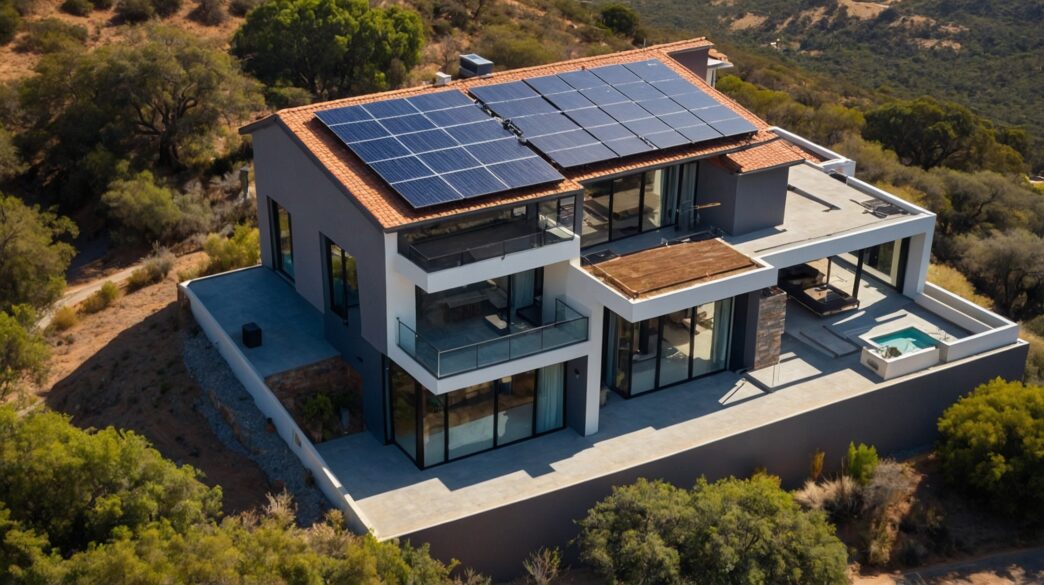
Solar power is becoming so widespread that some neighborhoods look like they’re in a contest to see who can install the most solar panels. If you’re already noticing those black rectangles popping up on rooftops, that’s a sign your neighbors have hopped on the solar train. After all, we’ve got around 2,500 hours of sunshine per year in many regions.
If you generate more power than you use, some municipalities will buy it back. That’s a nifty way to offset the initial installation costs. Plus, your home’s value generally goes up when you install solar power. Real estate agents love listing “solar-equipped” in property ads.
b. Small-Scale Wind Turbines
Wind energy isn’t as common as solar, but it can work wonders in rural or coastal areas with steady breezes. Picture a miniature windmill quietly spinning in your backyard, generating electricity. It doesn’t hurt that these turbines can look pretty cool, too—like an art installation that fights climate change.
c. Biomass: Turning Waste into Power
Biomass energy uses organic material—think garden clippings, kitchen scraps, or agricultural leftovers—to create heat or electricity. The coolest part? You’re essentially turning waste into a resource. This can be especially handy if you live on a farm or have a sizable property with lots of organic waste.
4. Saving Every Drop: Water Conservation
We all remember when Cape Town made global headlines for its severe drought a few years back. Water is precious here, so it’s vital we treat it like the liquid gold it is.
a. Rainwater Harvesting
Collecting rainwater in tanks can be pretty straightforward. I’ve seen some folks use it for irrigating gardens, flushing toilets, or even washing clothes. You just need a filtration system if you plan to use it for drinking. My aunt installed a rain barrel last summer. She likes to say it’s her “backup plan” for those times when water restrictions kick in.
b. Greywater Recycling
Reusing water from your sinks, showers, and washing machines (as long as you’re using biodegradable soaps) can save a surprising amount of potable water. A plumber I spoke to in Durban said installing a basic greywater system doesn’t cost an arm and a leg. It’s a modest investment that pays off by reducing strain on municipal water supplies.
c. Water-Efficient Fixtures
Swapping out old faucets and showerheads for low-flow models can cut household water consumption dramatically. I once turned on a new low-flow showerhead expecting a measly trickle—but it was still quite strong. Technology’s come a long way, so don’t worry about showering under a pathetic drip.
5. Growing a Green, Biodiverse Backyard
If you’ve got some outdoor space—be it a sprawling lawn or a petite balcony—you can transform it into a haven for local wildlife and a shield against extreme weather.
a. Native Plants for Easy Maintenance
Using local flora is like inviting your region’s natural heritage to flourish in your yard. Native plants usually require less water and are more resistant to local pests. They also welcome birds, butterflies, and other critters that can help pollinate your plants.
b. Permaculture Principles
Permaculture is basically a fancy term for designing your garden (and life) to work like a self-sustaining ecosystem. It sounds complex, but it’s often just practical. You place plants in positions where they benefit each other, reuse nutrients, and keep external inputs—like chemical fertilizers—to a minimum. It’s kind of like creating a mini-forest that almost takes care of itself.
c. Organic Gardening
Using compost instead of synthetic fertilizers is one of the best ways to boost soil health. Not only will your veggies taste better, but you’ll also avoid harmful chemicals. In a world where pesticide resistance is becoming a real concern, organic gardening can be a small, delightful step in the right direction.
6. Embracing Smart Home Tech
Technology can make a home feel like it’s looking out for you—turning off lights, adjusting temperatures, and giving you real-time info on your water use.
a. Smart Thermostats
These gadgets learn your habits and automatically adjust the temperature. So if you like waking up to a toasty bedroom but prefer a cooler lounge during the day, a smart thermostat can handle that. It’s like having a butler… but for your heating and cooling system.
b. Real-Time Energy Monitoring
Tools like Sense or Curb (lesser-known but reputable systems) let you track each appliance’s energy usage. You might be surprised to find your old TV is guzzling way more electricity than you’d expect. Knowledge is power… literally.
c. Smart Irrigation Systems
These systems connect to weather forecasts and soil sensors so they only water your plants when needed. Think of it like giving your garden a personal trainer who checks the weather before deciding on a workout routine.
Eco-Friendly Property Development: A Growing Trend
Developers across South Africa are catching on. They see the writing on the wall: people want greener, healthier spaces. You might spot new communities advertising “off-grid living” or “solar-ready homes.” These aren’t just buzzwords. They’re entire neighborhoods designed to reduce environmental impact.
Eco Estates for a Ready-Made Community
Eco estates often share communal gardens, recycle systems, and provide renewable energy infrastructure so that each resident can live more sustainably without having to set everything up individually. It’s like moving into a neighborhood that’s already done the homework on green living.
Green Certifications
In South Africa, the Green Building Council of South Africa (GBCSA) rates properties on their eco-friendly features. A building with their seal of approval has gone through serious checks, ensuring it meets standards for energy efficiency, water conservation, and sustainable materials.
Government Support
Some municipalities offer tax incentives if you install solar power or water-saving devices. You can also find grants for retrofitting old homes to be more energy-efficient. Be sure to check your local government website; you might qualify for rebates you didn’t even know existed.
How to Ease into Eco-Friendly Living
You might be thinking, “This all sounds great, but where do I start?” No need to leap in headfirst. Baby steps can lead to big changes over time.
- Assess Your Current Setup: Do a mini-audit of your home. Identify leaky faucets, poorly insulated rooms, or that ancient energy-guzzling fridge you’ve had since the early 2000s.
- Pick High-Impact Upgrades First: If your roof gets a lot of sun, consider adding solar panels. If your home leaks air like a sieve, beef up insulation. Small moves can bring immediate benefits.
- Stay Informed: Follow local news outlets, green living blogs, or sustainability-focused podcasts. Knowing what’s happening in real estate, architecture, and environmental research can spark new ideas.
- Join Communities: There’s probably a local Facebook group or a community forum dedicated to eco-conscious living in your area. It helps to share tips, success stories, and the occasional frustration. Trust me, the moral support is huge.
- Celebrate Tiny Wins: Maybe you started composting kitchen scraps or replaced one old appliance. That’s progress! Don’t underestimate how good those small victories can feel. They motivate you to keep going.
When you really think about it, eco-friendly living is just about aligning your home—and your habits—with nature’s rhythms. It’s not always easy. Sometimes it costs a bit more upfront, and sometimes you might feel like you’re wading through an ocean of information. But when you finally start seeing those changes—lower bills, a cooler home on hot days, a sense of pride every time you pour a glass of crisp rainwater—you’ll know it’s worth it.
Sustainability isn’t a fad. It’s a response to the challenges we face here in South Africa, from rolling blackouts to water shortages. By investing in green materials, renewable energy, water conservation, and mindful technology, you’re not just buying or renting a property… you’re planting the seeds of a better future.
So if you’re ready to step into a greener tomorrow, take that first step, whether it’s a solar panel on your roof or a small herb garden in your kitchen. As climate stories fill our feeds day after day, it’s comforting to remember that each of us has the power to make a difference… starting right in our own homes.
Thanks for joining me on this exploration of sustainable living. Go ahead—embrace that greener way of life, and let’s keep South Africa shining bright under the sun for generations to come.


