
Overview
- Discovering untouched natural beauty without the usual chaotic crowds.
- Unlocking significant economic savings during times of heavy global inflation.
- Experiencing unique wildlife and floral events exclusive to the quieter months.
- Engaging in more authentic and unhurried interactions with local communities.
- Supporting sustainable tourism by distributing visitor footprints evenly across the year.
South Africa is often praised for its hot summer holidays and high season in safaris. But there is a quiet revolution happening in the travel world right now. Recently, global tourism has been under pressure. Finding spaces of genuine peace is more critical than ever before. Exploring during the off-peak months reveals a completely different country altogether. It transforms the usual holiday into an exciting journey of deep discovery. Some of the most real experiences happen when the crowds finally go home. Travellers are beginning to see the huge value of this silence. It’s a chance to completely reset.
The Magic of Empty Landscapes
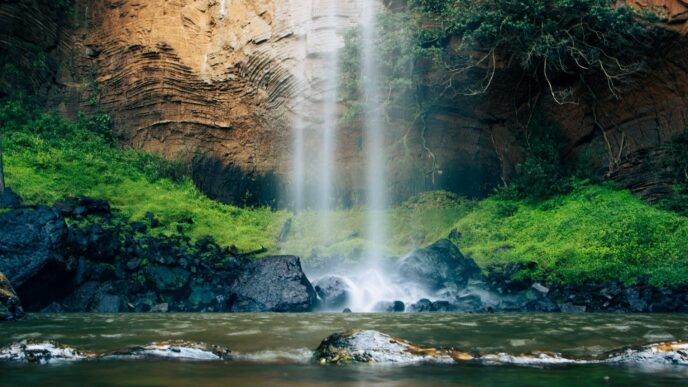
Imagine standing at the edge of the Blyde River Canyon with only the wind for company. During the peak December rush, this viewpoint teems with flashing cameras and jostling tourists. The magic often gets completely lost in the noise. Visiting in the cooler months changes everything. The landscape feels vastly more expansive and inviting. You can actually hear the resident baboons barking in the far distance. The mist rolling over the escarpment feels like a private theatrical show. It is a profound shift in atmosphere. You will never experience this serene silence during the frantic summer holidays. The silence allows you to truly understand the vastness of the canyon.
There are fewer feet, which gives the fragile environment a chance to breathe. Environmental studies of late point to an ominous trend. Peak season congestion really hurts the local ecosystems. Off peak travel naturally mitigates this intense pressure. Popular trails in the Drakensberg recover remarkably well when given a proper break. You get to witness the rugged terrain in a much wilder state. Without the human chatter, the real sound of wilderness takes centre-stage. It evokes a deep sense of wonder. The natural world is pristine and untouched. This solitude is a great tonic for the jaded traveller.
Economic Perks and Hidden Deals
The economic reality of 2026 makes budget travel seem awfully attractive. Global inflation is forcing many families to completely re-evaluate their holiday plans. But heading out during quieter months brings some serious financial benefits. Luxury lodges in the Sabi Sand often cut their prices significantly between May and August. This suddenly makes exclusive experiences surprisingly accessible to regular people. Restaurants and tour operators also introduce amazing local specials to keep their businesses afloat. You will find incredible value absolutely everywhere. Stretching the rand has never been easier.
These savings extend far beyond just the cost of accommodation. When demand falls off, car-rental companies frequently slash their prices sharply. Therefore, a sweeping road trip along the Garden Route becomes far more manageable. It feels incredibly rewarding to secure a premium ocean view suite for the price of a standard room. Local businesses actually appreciate the off-season support immensely. Your money goes further while genuinely helping communities sustain themselves year-round. It is a brilliant financial strategy for any modern traveller. Everyone wins in this scenario.
A Different Side of Nature
Nature operates strictly on its own schedule. Many incredible phenomena only occur when the tourists are long gone. Most people associate safaris with the lush green landscapes of summer. Yet the dry winter months actually offer the most spectacular wildlife viewing. As water sources dry up across the Kruger National Park, animals must congregate around permanent watering holes. This creates incredibly dense wildlife sightings daily. You might see elephants and lions sharing the same riverbank out of sheer necessity… a rare scene indeed. The bush is thin, making visibility absolutely excellent.
The local flora also puts on a magnificent secret show. The fynbos biome in the Western Cape erupts into vibrant bloom during the cold wet months. Certain rare protea species only flower after a sharp drop in temperature. Southern right whales also arrive along the Hermanus coastline right in the middle of winter. The colder oceans bring these majestic creatures incredibly close to the rocky shore. These are deeply moving spectacles reserved exclusively for those willing to travel off peak. The natural world thrives in the quieter seasons.
Authentic Cultural Encounters
Finding genuine connection in a bustling tourist trap is nearly impossible. When a small coastal town is overrun, locals are naturally focused on managing the chaos. Waiters are rushed. Shop owners are completely overwhelmed by the sheer volume of visitors. The quiet season fundamentally shifts this entire dynamic. Walk into a coffee shop in Paternoster during July and you will likely end up in a lengthy conversation. People simply have the time and energy to share their unique stories. They are relaxed and genuinely happy to see new faces.
This unhurried pace allows for true cultural immersion. You might learn about the secret history of a Karoo farming town from a local baker. The famous South African hospitality shines brightest when it is not strained by mass tourism. Visitors often find themselves invited to local community events or impromptu braais. These interactions are never listed in any official guidebook. They are the spontaneous moments that turn a simple trip into a lifelong memory. Travelling off peak turns a standard vacation into a rich cultural education.
The Climate Curveball
Weather patterns have become increasingly unpredictable worldwide. Traditional peak seasons no longer guarantee perfect sunshine every single day. South Africa has experienced some unusual weather shifts recently. This makes the off-peak climate surprisingly delightful. Autumn in the Winelands offers crisp mornings and incredibly warm golden afternoons. It is arguably the most beautiful time to visit the historic vineyards. The harsh heat of February is replaced by a gentle and inviting warmth. You will certainly not miss the extreme summer temperatures.
The interior of the country also transforms beautifully. The Free State has exceptionally clear skies during the cold winter months. In these remote corners of the world, astrotourism is quietly booming today. The crisp air is much less distorted in the atmosphere. This provides unparalleled views of the Milky Way galaxy. Yes, the evenings are freezing. But wrapping up in a thick blanket by a roaring fire is an experience on its own. It is a very cosy alternative to sweating on a crowded beach. The cold weather brings its own unique charm.
Lowering the Carbon Footprint
Overtourism is a rapidly growing environmental crisis globally. Concentrating thousands of visitors into a single region causes immense damage over just a few weeks. Travelling during the quieter months is a highly effective way to practice sustainable tourism. It distributes the environmental load more evenly over the year. Population spikes at peak season challenge local infrastructure massively. If you can go in May or September it takes off this intense physical pressure. It allows fragile areas a much-needed break to recover.
Furthermore, essential conservation efforts rely heavily on consistent funding. A steady trickle of tourists provides a much more stable income for nature reserves. Research shows that poaching often increases during the quiet months. This happens because fewer eyes are monitoring the massive, protected reserves. By visiting during these times, tourists inadvertently act as a visual deterrent. Your presence actively contributes to the protection of highly endangered species. It brings a profound sense of purpose to the journey. Sustainable travel is simply smarter travel.
Finding the True Rhythm of the City
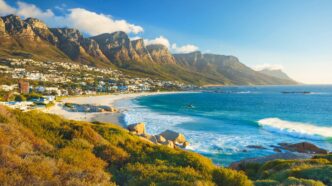
Urban centres possess a very unique heartbeat. This rhythm is often completely drowned out by loud holidaymakers. Cape Town in December is a frantic blur of heavy traffic and fully booked restaurants. Return in August and the vibrant city belongs to the locals once again. You can easily secure a table at that award winning eatery without booking months in advance. The contemporary galleries in Woodstock are quiet enough for you to actually appreciate the art. The true culture finally shines through.
Johannesburg also offers incredible hidden winter treasures. The inner-city cultural tours are far more intimate when the tourist groups are small. You can engage deeply with the colourful street art and historical architecture. The neighbourhood markets, which are busy, are run at a much more leisurely pace. At last, there is enough physical space for you to browse and chat with the local crafts people. To walk through a city without the frantic energy of peak season is to sink into its real rhythm. The cityscape turns into a discovery playground.
Conclusion
Traveling South Africa outside of the standard holiday windows is a very rewarding choice. It’s a welcome financial relief and a unique spectacle of nature that also comes with a true cultural connection. The country reveals its quiet beauty only to those willing to step away from the crowd. Sometimes the absolute best travel experiences are the ones no one else is currently having. It is time to pack a bag, embrace the unexpected, and discover the absolute magic of the off peak season.