


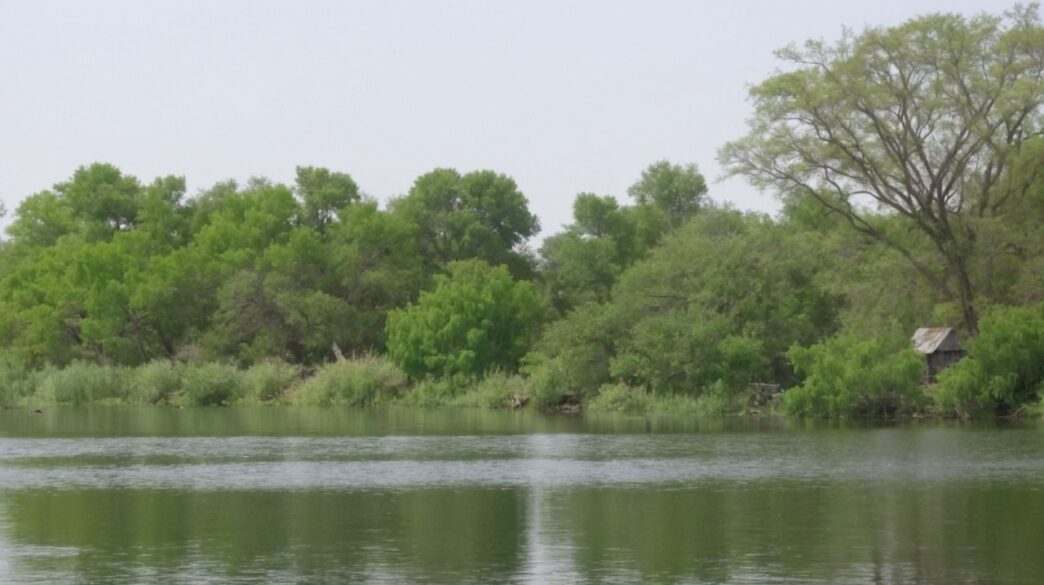
Polokwane: Known for its culture, food, and natural attractions
Overview
History
Sometimes, history can feel like dusty pages in an old library book—crinkled, distant, and maybe too serious. But let me tell you, Polokwane’s story is anything but boring. This region has long been a magnet for human settlement, going back thousands of years. But the city as we know it began taking shape in the late 1800s, thanks to intrepid Voortrekkers. They founded what was then called Pietersburg in 1886.
During the Anglo-Boer War (1899–1902), the British set up a military base here—imagine rows of canvas tents, soldiers milling about, and dusty roads swirling with history in the making. Fast-forward to the tumultuous decades of apartheid. When that dark era ended, Polokwane got its new name, which means “Place of Safety” in Northern Sotho. It was officially renamed in 2002, ushering in a fresh chapter of unity, pride, and forward-looking progress.
If you stroll through older parts of town today, you might still glimpse relics of that past. The Hugh Exton Photographic Museum, for instance, holds more than 20,000 photos capturing daily life from the late 19th century onwards. It’s like stepping into a time capsule… you can almost hear the horse-drawn carts clacking along the dusty streets.
Population Size
Official estimates suggest that the city’s urban population sits around 493,951. That figure skyrockets if you count the broader Polokwane Local Municipality, which reached about 843,459 in 2022. The difference is huge, right? That’s because Polokwane’s municipality covers not only the main city but also a bunch of rural areas.
This level of growth isn’t a fluke. Polokwane is a central economic hub—some say it’s the beating heart of Limpopo. Big national and international investors pour money into agriculture, mining, and manufacturing. If you chat with local entrepreneurs, they’ll tell you they’re excited… but also a little wary of how rapid urbanization could affect the environment and the city’s unique cultural fabric.
Unique Characteristics
What truly makes Polokwane stand out is its soul—this melting pot of cultures, languages, and traditions. If you find yourself in a local music festival, don’t be surprised to hear the rhythmic pulse of drums accompanied by modern hip-hop beats. It’s the new meeting the old, side by side, and it’s beautifully chaotic.
Hidden Gems
Key Attractions
Let’s shift gears. Not everyone visits a city for museums and festivals. If you’re like me, sometimes you just crave fresh air, wide-open spaces, and the thrill of spotting wildlife. Lucky for you, Polokwane is ringed by natural beauty.
1. Nature Spots
Polokwane Game Reserve
Picture this: you’re strolling or cycling through a vast reserve, and suddenly a herd of zebras trots across your path. It’s magical. The Polokwane Game Reserve is one of the largest municipal reserves in South Africa, home to giraffes, antelopes, and over 300 bird species. Bring binoculars if you’re a birdwatching fanatic—spotted eagle owls, hornbills, and hoopoes might make an appearance.
Makapansgat Caves
For history buffs with a dash of Indiana Jones in their hearts, the Makapansgat Caves are a must. These caves hold fossils and artifacts dating back millions of years. It’s a UNESCO World Heritage Site, which basically means it’s recognized globally for its importance to human history. Wandering through those dimly lit passages, I couldn’t help but feel I was stepping into humanity’s ancient living room.
Zebediela Citrus Estate
Ever gotten lost in an orchard so massive you felt like you’d never find your way out? That was me at Zebediela Citrus Estate—one of the largest citrus farms on Earth. Rows and rows of citrus trees extend all around, and the view of the hills beyond is just stunning. If you’re a photography geek, you’ll love capturing the symmetrical lines of trees. If you’re a fruit lover like me, you’ll adore tasting the freshest citrus you’ve ever had.
Houtbosloop Valley & Chuene Crocodile Farm
Houtbosloop Valley is this lush, green haven that’s perfect for birdwatching and picnicking by waterfalls. A local guide I spoke to said that sometimes you can spot rare bird species if you’re patient enough. Meanwhile, the Chuene Crocodile Farm offers a fascinating glimpse into crocodile conservation. You can see these prehistoric reptiles in their semi-natural habitat and learn about breeding and protection efforts. It’s not exactly a cuddle-fest—these toothy creatures are no plush toys—but it’s definitely memorable.
Ebenezer Dam & Magoebaskloof Forest
Now, if you fancy water sports or quiet fishing, Ebenezer Dam fits the bill. You can rent a small boat or simply chill on the shore with a picnic. On the other hand, a short drive away lies Magoebaskloof Forest, a misty wonderland where you might half-expect fairies to peek out from behind the leaves. The hiking here is top-notch, with waterfalls and chirping birdlife around every bend.
2. Cultural Experiences
Bakone Malapa Open-Air Museum
One spot that left me speechless was the Bakone Malapa Open-Air Museum. Here, you see a reconstructed Northern Sotho village. It’s not just a static display; local guides show you around, explaining indigenous crafts, farming methods, and daily chores. If you’re lucky, you might catch a demonstration of pottery-making. My clay bowl turned out pretty lopsided, but hey, it was fun.
Hugh Exton Photographic Museum
I mentioned it earlier, but it’s worth revisiting. This museum houses thousands of old photographs. Some images highlight the city’s architecture—simple houses with corrugated iron roofs, dusty roads, and then the slow evolution to the Polokwane we see today. Standing in front of these black-and-white snapshots, I couldn’t help but feel a twinge of nostalgia for an era I never even knew.
Venda, Tsonga, and Bapedi Performances
Attend one of the local festivals—maybe the Annual Mapungubwe Arts Festival—and you might see artists from the Venda, Tsonga, and Bapedi communities. Their vibrant attire, intricate beadwork, and pounding dances can spark real joy. It’s the kind of experience that makes you forget all your worldly stress for a while. You might even try a few moves yourself—although I looked like a confused flamingo on the dance floor.
3. Historical Sites
Polokwane isn’t just about culture; its history runs deep.
Makapansgat Caves
This UNESCO World Heritage Site holds fossils and archaeological evidence dating back millions of years. Walking through these caves is like stepping into the dawn of human history—quite literally.
Anglo-Boer War Memorials
For a more recent historical experience, the Anglo-Boer War Memorials scattered around the city pay tribute to those who fought in the brutal conflict between the British and the Boers (1899–1902). The Irish Brigade Monument and Pietersburg Concentration Camp Memorial are particularly moving, offering a sobering reminder of the sacrifices made during the war.
First Raadsaal
The oldest public building in Polokwane. It has served as a church, school, and government meeting place over the years, making it a true cornerstone of the city’s past.
Mapungubwe Heritage Site
If ancient kingdoms fascinate you, the Mapungubwe Heritage Site, just a few hours away, is a must-visit. This once-thriving civilization (circa 1075–1220 AD) was one of Africa’s earliest advanced societies. Think gold artifacts, sophisticated trade networks, and the remains of a once-great kingdom—right here in Limpopo.
The Old Pietersburg Prison
This colonial-era prison turned museum tells gripping stories of justice, resistance, and the individuals who shaped history behind its walls.
4. Food & Drink
Of course, no trip is complete without sampling the local eats. Polokwane’s culinary scene is as diverse as its population, with a mix of traditional African dishes, international flavors, and even fusion cuisine that’s downright inventive.
Saskia Fine Dining Restaurant
Feeling fancy? Saskia Fine Dining at the Fusion Boutique Hotel is the place to splurge. The menu blends local and international flavors in ways that feel fresh but not pretentious. I once tried a braised lamb dish that made me want to hum show tunes. The ambiance is elegant, so maybe dress up a tad. I wore jeans, felt a bit underdressed, but hey… the staff was still super friendly.
Ambiance Restaurant
This spot combines relaxed vibes with a menu that’ll satisfy even the pickiest foodie. Ambiance Restaurant focuses on well-rounded meals—think grilled fish, hearty stews, and crisp salads. If you’re craving something sweet afterward, their dessert list is worth a peek. One friend recommended the malva pudding, a South African classic that’s sweet, sticky, and oh-so-comforting.
Nguni Grill & Uhuru Café
Nguni Grill is your go-to for grilled meats and lively conversation. You might find yourself chatting with locals about last weekend’s soccer match or the next big festival. Meanwhile, Uhuru Café & Wine Emporium feels cozier, serving aromatic coffee, baked pastries, and an impressive selection of South African wines. I once sat in a corner with a book, sipping rooibos latte for hours—pure bliss.
The Cook King & Asha’s Restaurant
If you’re looking to explore African cuisine beyond the typical braai, The Cook King does hearty, flavorful dishes. Asha’s Restaurant, on the other hand, is all about spicy Indian curries and fluffy naan bread. The contrast between these two eateries just shows how diverse Polokwane’s dining scene can be.
Street Food & Local Markets
I wouldn’t skip the Polokwane Fresh Produce Market if I were you. Munching on magwinya (fried dough) or spiced boerewors rolls is an authentic local experience. Or check out the market stalls in Seshego Township for flame-grilled corn and fresh fruit sold by smiling vendors who might toss in an extra mango just because.
FindMy Food Recommendations:
5. Unique Activities
Not every city can boast about hosting adrenaline junkies and history buffs in equal measure. But Polokwane does just that. Whether you dream of parachuting out of a plane or delving into archaeological digs, there’s something here to make your heart race (or skip a beat).
Polokwane Game Reserve Walking Safari
Honestly, there’s something raw and thrilling about walking where giraffes roam. You might spot one lazily chewing leaves from a thorny acacia, ignoring you entirely. Or you might see zebras crossing your path as if you’re a part of their world for a fleeting second.
Skydiving & Microlight Flights
If heights don’t faze you, go for a tandem skydive or a microlight flight over Limpopo’s vast landscapes. The rush of wind against your face and that panoramic view… it’s like seeing the Earth from a new perspective. Just hold your breath when you leap out of that plane—trust me, it’s exhilarating, but it also feels like your heart is leaping out of your chest.
Bakone Malapa Open-Air Museum
This might not be “unknown,” but it’s unique in how interactive it is. You can try your hand at traditional cooking or watch a craftsman carve intricate designs into wood. It’s a step back in time that somehow feels very present.
Meropa Casino & Entertainment World
For a night out, check out Meropa Casino—it’s more than just slot machines and poker tables. They also host cultural performances, showcasing traditional dance and music. And if you want to unwind, the on-site spa is a nice way to pamper yourself after a day of adventuring.
Local Craft Markets
I once found the coolest beadwork necklace at a small stall. The artisan explained how each color represented a different aspect of local traditions. It felt like taking home a piece of Polokwane’s soul. Check out the Limpopo Craft & Curio Centre for more treasures.
Annual Mapungubwe Arts Festival
Held in December, it’s a spirited affair celebrating music, dance, and visual arts. The energy is electric, with throngs of people dancing till late. If you’re in town during festival season, you’ll witness Polokwane at its most festive.
Local Tips
Alright, let’s get real. Traveling can get tricky. Ever ended up in a city with no clue how to navigate the transport system? Been there. So here are some straightforward pointers for Polokwane:
1. Where to Stay
Fusion Boutique Hotel
Treat yourself to 5-star luxury. Think marble bathrooms, a zen garden, and top-tier service.
Park Inn by Radisson Polokwane
Modern rooms, an outdoor pool, and a comfortable vibe near the city center.
Protea Hotel by Marriott Polokwane Ranch Resort
Nestled in a nature conservancy, complete with lion tours and horseback safaris. Talk about an unforgettable stay!
Town Lodge Polokwane
Budget-friendly but comfy. Near shops and local attractions.
61 On Ireland
Boutique guest house with a quiet, romantic aura. Think cozy rooms and personalized service.
2. How to Get Around
Car Rental
If you’re keen on exploring nature reserves at your own pace, renting a car is golden.
Minibus Taxis
Cheap, but can get crowded. Best if you’re used to local public transport systems.
E-hailing Services (Uber/Bolt)
Reliable and safe for short trips.
Shuttle Services
Many hotels offer them to and from the airport.
Walking & Cycling
The city center is relatively walkable. For the game reserve, you can rent a bike for a scenic ride.
Train & Domestic Flights
Polokwane International Airport offers direct flights to Johannesburg and Cape Town. Trains exist, but service can be sporadic for passengers.
3. Best Time to Visit
May to September (Winter & Dry Season)
Mild temperatures, excellent for game viewing, fewer bugs, and generally clear skies.
October to April (Summer & Rainy Season)
Hot, humid, and prone to afternoon thunderstorms. Great for lush scenery and birdwatching, though wildlife might hide in dense foliage.
Adventure Seekers
1. Road Trips & Routes
Polokwane isn’t just a place to explore on foot. It’s a springboard for epic road trips. If you have a car and a spirit of adventure, you can embark on journeys that take you through mountains, forests, and historical landmarks.
Magoebaskloof & Haenertsburg
- Distance: ~65 km
- Drive Time: ~1 hour
- Why Go: Lush forests, waterfalls, and crisp mountain air. The villages in Haenertsburg are quaint, with old-school coffee shops that make you feel right at home.
Tzaneen & Modjadji Cycad Reserve
- Distance: ~100 km
- Drive Time: ~1.5 hours
- Must-See: The Modjadji Cycad Reserve, containing some of the world’s oldest cycads—giant, prehistoric plants that look straight out of a Jurassic Park set.
Mapungubwe National Park
- Distance: ~220 km
- Drive Time: ~3 hours
- Highlight: Ancient ruins of the Mapungubwe Kingdom. The Mapungubwe Interpretation Centre showcases artifacts, including golden rhinos. Keep an eye out for elephants roaming nearby.
Kruger National Park (Phalaborwa Gate)
- Distance: ~225 km
- Drive Time: ~3.5 hours
- Pro Tip: Stop at Letaba Elephant Hall Museum to learn about the park’s famous tuskers. Then drive in for a potential Big Five encounter—lion, leopard, rhino, elephant, and buffalo.
The Waterberg Biosphere
- Distance: ~160 km
- Drive Time: ~2.5 hours
- Draw: Marakele National Park lies here, famed for its cape vulture colony. Also, the Waterberg region is a UNESCO Biosphere Reserve, meaning pristine wilderness.
Venda & Lake Fundudzi
- Distance: ~260 km
- Drive Time: ~4 hours
- Spiritual Stop: Lake Fundudzi, sacred to the Venda people. Legends swirl about serpents and ancestral spirits guarding the waters.
2. Nature & Wildlife Escapes
We touched on some nature spots, but let’s broaden the lens. Polokwane’s location makes it a sweet starting point for wilderness explorations.
Wolkberg Wilderness Area
This place screams “adventure.” Rugged trails, dramatic cliffs, and waterfalls hidden in the forest. If you love multi-day hikes, you’ll adore Wolkberg’s unspoiled beauty.
Tzaneen Dam Nature Reserve
So tranquil you can hear fish jumping. Ideal for fishing, birdwatching, or a laid-back picnic.
Marakele National Park
A Big Five reserve in the Waterberg Mountains. The park’s name comes from the Tswana word meaning “place of sanctuary.” And it lives up to that description.
Blouberg Nature Reserve
Home to one of the largest Cape vulture colonies. Standing atop those cliffs is both thrilling and a little scary, especially with the wind whooshing around you.
Lekgalameetse Nature Reserve
Misty forests, waterfalls, and scenic drives galore. If peace and quiet is your jam, you’ll want to pitch a tent here for a night or two.
4. Cultural & Heritage Tours
A big part of Polokwane’s charm is its layered past—ancient civilizations, colonial influences, and vibrant modern communities all intertwine. If you’re more of a cultural connoisseur than a daredevil, these tours will keep you intrigued:
Makapansgat Caves & Heritage Site
Caves filled with fossils that tell the story of early hominids. Expect guided tours explaining prehistoric life. Wear sturdy shoes, though—it’s a bit of a climb in some sections.
Eersteling Monuments
Marking South Africa’s first gold crushing site. If you’re into industrial history, this place is an eye-opener. The remnants of that gold rush era are still tangible here.
Irish Brigade Monument & Anglo-Boer War Memorials
Polokwane played a key role in the Anglo-Boer War, so you’ll find various memorials around town. It’s humbling to stand before these monuments, realizing they commemorate real people with hopes, dreams, and families.
Venda & Tsonga Cultural Villages
Some communities around Polokwane open their villages to visitors, showcasing drum-making, dancing, and cooking traditions. It’s immersive, and you’ll probably leave with a deeper appreciation for these cultures.
Mapungubwe National Park & Heritage Site
The crowning jewel of historical exploration. The ancient kingdom of Mapungubwe thrived here centuries ago. Researchers have uncovered gold ornaments that prove an advanced society once traded with regions as far as China. Crazy, right?
5. Culinary Trails
Food is culture, and culture is food. If you’re anything like me, you love to eat your way through a city. Let’s lay out a few mouthwatering trails:
Saskia Fine Dining (Fusion Boutique Hotel)
Upscale take on local dishes. Try their spin on oxtail stew or pap with chakalaka.
Ambiance Restaurant
Tantalizing venison and classic malva pudding.
Moletlane Traditional Restaurant
Tucked away outside Polokwane, serving Pedi cuisine like mogodu (tripe stew) and mopani worms. Be brave—you might surprise yourself.
Asha’s Indian Restaurant
Genuine curries that’ll warm your heart (and maybe your forehead).
Tuscan Place @ Pavilion
Cozy Italian with handmade pastas.
Dragon City Chinese Restaurant
Tasty dim sum, crispy duck, and classic stir-fries.
Polokwane Brewing Co.
Sip on a Limpopo Lager or a Marula-infused beer for a local twist.
Amarula Lapa (Near Phalaborwa)
Taste Amarula where it’s produced. A sweet, creamy liqueur derived from the marula fruit.
Between the city’s energetic growth, thriving cultural scene, mouthwatering gastronomy, and easy access to epic wilderness areas, Polokwane offers a slice of South Africa that’s both modern and deeply rooted in tradition. It’s the kind of place where you can feast on a five-star meal one night and go hiking among zebras the next morning. How cool is that?
The current global landscape—where climate change, cultural preservation, and sustainable tourism are pressing concerns—demands that we travel more mindfully. Polokwane is rising to that challenge. The city is investing in eco-friendly initiatives (like community-driven conservancies), pushing for cultural festivals that highlight local traditions, and balancing economic growth with conservation.
In times like these, we all need places that give us hope. Polokwane’s blend of old and new might just do that. You’ll see it in the quiet resilience of people who’ve lived through change, the youthful optimism of entrepreneurs launching new ventures, and the unspoiled wilderness that reminds us we’re part of something much bigger.
Safe travels, and may Polokwane leave a forever mark on your wandering soul.


