


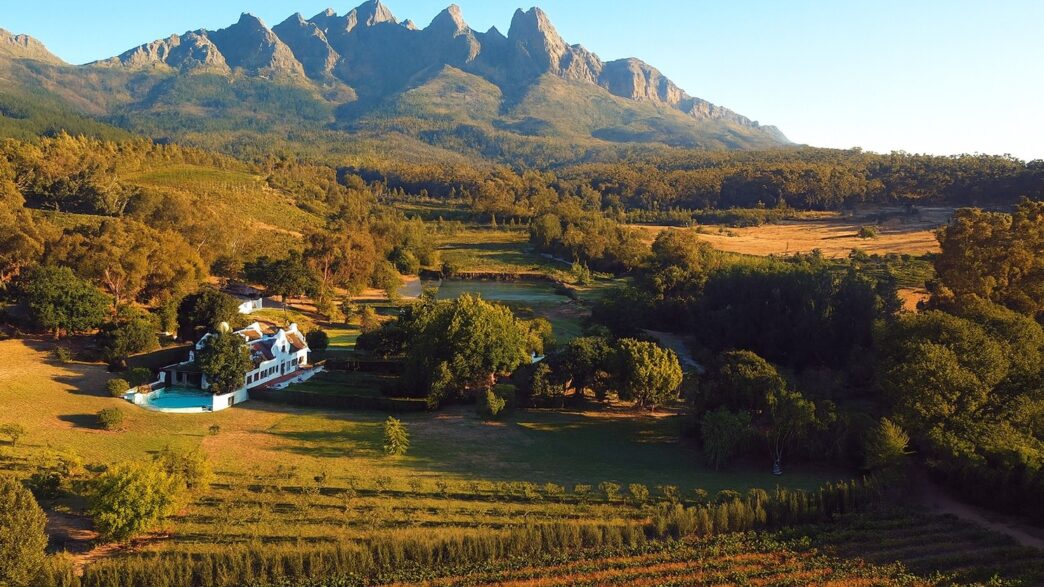
Wellington – A quieter wine town, known for brandy and scenic mountain views.
Overview
History
Wellington has a rich narrative that blends South Africa’s Dutch, French Huguenot, and indigenous heritage into one cohesive tapestry. Dating back to the 17th century, Wellington started out as a staging post for wagons moving inland, kind of like an old-timey truck stop with horse-drawn transport instead of eighteen-wheelers. Over the centuries, it grew into an agricultural powerhouse that prides itself on fruit farming, wine production, and, of course, brandy. It’s also got a strong educational bent, hosting a campus of the Cape Peninsula University of Technology and positioning itself as one of the leading vine nursery areas in the Western Cape.
Strolling along the main street of Wellington, you’ll see a variety of Cape Dutch buildings, that distinctive style with white-washed walls and ornate gables. These structures are more than a pretty façade; they represent a period of colonial history that shaped not just the architecture but also the cultural and linguistic landscape of the region. If you’re into historical immersion, the Wellington Museum is a must-visit. Don’t expect a giant Smithsonian-style complex, though, it’s small, cozy, and uncrowded. I like to think of it as a living scrapbook, filled with artifacts and images that tell the story of indigenous peoples, Dutch settlers, and the French Huguenots who influenced the local wine culture. If you’re not sure about the significance of the Huguenots in South Africa, picture a group of refugees fleeing religious persecution in France, arriving here in the late 17th century, and effectively shaping the entire viticultural tradition of the Cape. Without them, we might be drinking a lot less wine today.
Unique Characteristics
On top of all that, the Hawequa Mountains offer an incredible backdrop for the town. One of my favourite memories is waking up early, stepping outside with a cup of coffee that was probably brewed too weak, and seeing the light gradually shift over the mountain peaks. The gentle hush of the early morning in Wellington gives way to birdsong and the faint rumble of tractors heading to the fields. In those moments, you realize that life here is a well-paced mix of heritage, agriculture, education, and natural wonder.
So, if you’re game for an off-the-beaten-path journey, keep reading. We’ll explore some key attractions, hunt down hidden nature spots, and even dig into local events and flavors. By the end, you might be booking a weekend getaway or daydreaming about moving here. Either reaction is pretty standard. Let’s dive in.

Key Attractions
Bovlei Valley
This valley is known for its scenic vineyards and top-tier wine estates. Unlike some more commercial routes, tasting rooms here often feel intimate. You can actually have a lengthy chat with the winemaker without a tour bus pulling up and whisking everyone away. Wineries frequently offer guided walks, so you might get the chance to understand the specific terroir that sets Wellington apart. It’s like attending a mini masterclass, but with a dash of personal storytelling, like learning about the time a sudden hailstorm nearly ruined an entire season’s crop, or how certain vines survived a bout of unseasonal frost. These are the stories that bring wine to life.
Bain’s Kloof Pass
When it comes to scenic routes, Bain’s Kloof Pass is a showstopper. Built in the 1850s by Andrew Geddes Bain, this winding mountain road is both an engineering marvel and a nature lover’s dream. I still recall the moment I rounded a bend and saw an expanse of lush valleys and rugged rock formations stretching out below me. It’s the kind of view that convinces you to pull over, snap half a dozen photos, and then just stand there for a minute… maybe two or three.
Timely Note: As part of conservation efforts, there’s been an increasing focus on maintaining the pass in ways that preserve its natural ecosystem. Recent community-driven initiatives aim to reduce litter and promote eco-friendly tourism.
Whether you choose to drive, bike, or hike parts of the pass, you won’t run out of vantage points for that perfect postcard shot. Just keep in mind that sections can be quite narrow, so a bit of caution (and smaller vehicles) is advised. But don’t let that scare you off; it’s genuinely one of the most rewarding ways to immerse yourself in Wellington’s mountainous scenery.
Wellington Museum
I’m a self-professed museum nerd, but even my non-history-buff friends found something appealing at the Wellington Museum. It’s modest, sure, but it packs in exhibits that trace local heritage from indigenous Khoi and San peoples to Dutch settlers and beyond. You’ll find artifacts, diaries, photographs: bits of daily life that paint a fuller picture of how this little town evolved. One exhibit that stuck with me displayed vintage brandy-making tools, proving just how ingrained distillation is to Wellington’s identity.
Quick Tip: If you’re a fan of interactive experiences, ask the staff about any guided tours or special events. Sometimes they host small talks on local architecture or genealogical research. It’s a great way to deepen your understanding of the region beyond what you can glean from a pamphlet.
Hidden Gems
Now that we’ve covered the headliners, let’s jump off the typical tourist track. Wellington has a knack for offering pockets of tranquility and surprise—even if you think you’ve seen it all.
1. Nature Spots
Groenfontein Hiking Trail: Your Secret Escape
If you’re longing for the kind of solitude that lets you hear your own footsteps crunching on gravel, Groenfontein Hiking Trail is for you. It’s tucked into the Hawequa Mountains, which is a blessing and a curse; blessing because it’s so darn beautiful, curse because once you find it, you’ll wonder why more people don’t bother to explore it. (But maybe that’s a blessing, too, if you like avoiding crowds.)
Diemersfontein Estate Gardens
Diemersfontein Estate is fairly well-known for its wine especially their signature pinotage with hints of chocolate and coffee. But fewer people realize there’s a tranquil garden right beyond the tasting rooms. Think manicured lawns, koi ponds, and occasional art installations hidden among the shrubbery. If you’re like me and sometimes prefer a quiet bench under a big oak to another flight of wines, this is your heaven.
Local rumor has it that the owners originally designed the gardens as a private retreat, but they opened it up to share with visitors who appreciate art, flora, and slow living. If you’re visiting in spring, you’ll see flowers at their most vibrant. Don’t forget to peek at any scheduled outdoor events, sometimes they host small concerts or art shows that transform the garden into a magical cultural space.
Limietberg Nature Reserve
Limietberg is where you go when you’re craving that primal feeling of stepping into unspoiled wilderness. The reserve offers multiple hiking options: some are leisurely walks past fynbos and rock pools; others push you up steep trails that test your endurance. Whichever route you pick, you can expect waterfalls, hidden valleys, and possibly even a chance to spot local wildlife like baboons or klipspringers.
Sustainability Note: If you plan on exploring lesser-known paths, always follow “leave no trace” principles. I’ve noticed more travellers taking the time to collect any stray litter they find, which is heartwarming. Not to get too emotional here, but if we all do our part, these trails can remain pristine for future generations.
Krom River Trail: Chasing Waterfalls
Another hush-hush spot is the Krom River Trail, which leads to a serene waterfall and natural pools. It’s a slightly more challenging hike but nothing that a moderately fit person can’t handle. And let me tell you, the final reward is worth every bead of sweat. Standing in front of a waterfall you’ve worked to reach feels like you’ve discovered a lost oasis. Pack a small picnic; be respectful, though, and take your trash with you—and soak in the white noise of cascading water.
2. Cultural Experiences
Wellington Farmer’s Market: A Taste of Local Life
I’ll never forget the time I stumbled upon the Wellington Farmer’s Market during a long weekend. I was lured in by the aroma of fresh bread wafting through the parking lot, and I left with my arms full of biltong, jams, and a tomato chutney that’s still the stuff of legend in my family. This market isn’t massive; it’s just cozy enough to let you interact with the farmers and artisans behind each product.
My personal highlight? Chatting with an older gentleman about his family’s beekeeping tradition. He let me sample different honeys (some from fynbos nectar, others from eucalyptus) each with its own distinct flavour profile. At the risk of sounding sentimental, experiences like these make you feel genuinely connected to the community. You’re not just a tourist passing through; you’re supporting neighbours.
Breytenbach Centre: The Heartbeat of Local Arts
Named after South African poet Breyten Breytenbach, this centre is an understated gem for anyone interested in the local arts scene. They host a revolving door of exhibits, from painting to photography to spoken-word poetry. Picture a typical Friday evening: a handful of artists milling about, a small crowd sipping local wine, chatting about their latest creative projects. If you’re from a big city, you might find it refreshingly intimate. There’s also a bookstore that carries local authors—perfect if you’re craving something new to read on a lazy Sunday.
Bain’s Kloof Heritage Festival: Time Travel in Real Life
Every year, the Bain’s Kloof Heritage Festival pops up to celebrate the history and culture surrounding the pass. I happened to be in Wellington during one such festival and was amazed by the crafts, music, and old stories about Andrew Bain’s engineering feats. It was like stepping back in time, especially when you realize how challenging building such a pass must have been back in the 1850s. Local crafters also bring their A-game, offering handmade goods inspired by the region’s heritage. It’s an authentic slice of Wellington’s soul you won’t find anywhere else.
Imbuko Family Vintners Harvest Festival: Grape-Stomping Fun
Okay, confession time: I’ve always had a secret wish to stomp grapes the old-fashioned way. So, when I heard about the Imbuko Family Vintners Harvest Festival, I was first in line—barefoot and grinning. Beyond the novelty factor, this festival is a chance to see the entire winemaking process up close. There are kid-friendly activities, live music, and plenty of wine and food stalls, making it a family-friendly event. I couldn’t help but think how ironically modern it is to celebrate a harvest in such a communal, ancient way, but that’s Wellington for you—proud of its traditions yet always open to fresh interpretations.
3. Historical Sites
Dutch Reformed Church (Moederkerk): A Spiritual Cornerstone
This church, dating back to 1840, is a shining example of Cape Dutch architecture and a cornerstone of Wellington’s community. When I visited, I was struck by the serenity of the grounds. Even if you’re not religious, there’s something calming about sitting on a bench, looking up at the old façade, and imagining the generations who’ve passed through. Sometimes, they hold small choir performances or organ recitals, and if you’re lucky enough to catch one, it feels like an echo of history resonating through the air.
Wellington Museum: A Deeper Dive
I mentioned this museum earlier as one of the key attractions, but it truly is a hidden gem in its own right. Some folks breeze past it without ever stepping inside, but if you do, you’ll find an enriching experience. Exhibits go beyond just dusty old artifacts; they weave narratives that help you grasp the layers of culture and history embedded here. One display focuses on indigenous pottery: fragile connections to pre-colonial times. Another highlights the brandy and wine trade, with antique distillation apparatus. There’s something about seeing these tangible pieces of the past that just makes history click.
Huguenot Memorial Oak Tree: A Living Tribute
Planted in 1938, this oak tree stands as a memorial to the French Huguenots who arrived in the Cape around 1688. Honestly, you might walk right past it if you didn’t know its significance. It’s just a tree, after all. But once you pause, reflect, maybe read the plaque detailing its planting, you’ll realize it’s more like a living piece of history. Plus, on hot summer days, those branches offer some much-needed shade—a tiny sanctuary in the bustle of daily life.
Bainskloof Pass Memorial: Saluting Engineering Ingenuity
We’ve already covered Bainskloof Pass itself, but there’s also a small memorial dedicated to Andrew Bain and the labourers who constructed this formidable route. I love that it acknowledges not just the visionary behind the project but also the workers who carved a path through the mountains with far fewer resources than we have today. It’s a humbling reminder of human perseverance, something that can really resonate if you stand there, look around at the towering cliffs, and imagine the blood, sweat, and tears that went into creating that pass.
4. Food & Drink
Here’s where my inner foodie emerges, so bear with me as I wax poetic about the local culinary scene.

The Local Grill & Deli
If you’re craving authentic South African fare (boerewors, biltong, and braai culture) The Local Grill & Deli is a winner. It’s family-owned, so the vibe is warm and welcoming. My personal favourite is their homemade biltong platter, paired with a cold craft beer. The unpretentious atmosphere and friendly banter from the owners made me feel like a regular, even on my first visit.
Perfect Place Café
Sometimes, you just want to have a slow brunch on a sunny veranda. Perfect Place Café, located in a lovingly restored Victorian house, ticks all those boxes. They serve artisanal pastries, fluffy scrambled eggs, and slow-cooked lamb pies that melt in your mouth. If you’re a coffee fanatic, their locally roasted brews are worth the trip alone. I’d recommend timing your visit to catch the early morning light, there’s something magical about sipping coffee while the sun filters through old windows, highlighting the building’s antique details.
Val du Charron Wine & Olive Estate Bistro
Val du Charron Estate pairs scenic vineyard views with locally inspired Mediterranean cuisine. I once attended an olive oil tasting here and left with a deeper appreciation for the complexities of fresh olives. It reminded me of wine tasting, honestly, where you pick up notes of grass, spice, or fruit in each sip. Their bistro also whips up gorgeous plates—salads bursting with colour, fresh bread to dip into that estate-pressed olive oil, and of course, a curated selection of wines. It’s the kind of place you linger for hours, drifting between conversation and the occasional “mmm” over your meal.
Burgher Burger Food Truck
I can’t resist a good burger truck, especially one that merges South African flavours with gourmet flair. Burgher Burger’s signature is the “Bobotie Burger,” inspired by the traditional Cape Malay dish. Imagine savoury mince with a sweet-spicy twist, topped with a creamy sauce reminiscent of bobotie’s custard topping. I’m salivating just remembering it. This truck is a roaming entity, so track them on social media before heading out. It’s a no-frills, open-air feast that perfectly embodies Wellington’s laid-back spirit.
Wellington’s Secret Kitchen Pop-Up
This might be the most unique dining experience you’ll have here. The Secret Kitchen operates as a pop-up, showing up in different parts of town or even in local vineyards. The menu changes monthly, focusing on seasonal ingredients and local heritage recipes. One month you might find springbok carpaccio with wild herbs; the next, a vegetarian tasting menu centred around indigenous fynbos plants. It’s intimate and the chef usually comes out to explain each dish. Pro tip: booking is essential, and seats go fast once word gets out. Keep an eye on local event listings or social media… you never know where they’ll pop up next.
5. Unique Activities
You might think, “What else could I possibly do here besides wine tastings and scenic drives?” Trust me, Wellington has a few surprises up its sleeve.
Fynbos Foraging Walks
Fynbos is the Western Cape’s signature vegetation, known for its unique aroma and vibrant floral diversity. Local experts sometimes lead foraging walks, teaching you which wild plants and herbs can be turned into teas, seasonings, or home remedies. The first time I joined one, I thought, “No way am I putting random leaves in my mouth.” But after an hour with a knowledgeable guide, I felt like a budding botanist. We even ended with a cooking demo in an outdoor kitchen, turning our gleanings into a tangy pesto. Talk about a farm-to-fork experience.
Handcrafted Leather Workshop
For those who appreciate artisan crafts, there’s a small group of leathercrafters in Wellington who run workshops. Imagine spending a morning learning how to stitch and emboss your own wallet, belt, or keychain. I was initially hesitant, but the instructor was patient, guiding us through each step. At the end, I left with a wallet that wasn’t half-bad, plus a deeper respect for the skill and artistry behind handmade goods. It’s a keepsake that reminds me of Wellington every time I reach for my cards.
Historic Vineyard Horseback Tour
Riding through vineyards on horseback is a whole different vibe than driving. You’re elevated, but not far removed, so you see the textures of the vines, feel the breeze, and even catch subtle scents you’d miss in a car. A friendly guide pointed out historical landmarks, explained the significance of different grape varieties, and recounted tales of the early settlers. If you’re lucky, you might even sample a grape or two straight off the vine (with permission, of course). Tours often wrap up with a light lunch or tasting—because, well, this is the Winelands.
Rooibos Tea Blending Class
Sure, wine is king in Wellington, but have you heard about their rooibos tea connections? Rooibos, an indigenous South African plant, grows in nearby regions, and local tea enthusiasts sometimes invite visitors to blend their own brews. During a class I attended, we played mad scientist with herbs like mint, chamomile, and lemon verbena, mixing them into rooibos to create personalized infusions. I called my blend “Mountain Sunrise” for the bright, uplifting flavours that reminded me of a crisp morning. You’ll walk away with a unique souvenir—one that you can actually savour back home.
Afrikaans Language & Culture Session
Afrikaans is widely spoken in Wellington, and it’s always fun to dabble in a new language, even if just for a day. Some local teachers hold short workshops introducing visitors to basic phrases, idioms, and cultural nuances. I learned how to say “Baie dankie” (thank you very much) and “Lekker” (nice, tasty, or just generally awesome), which scored me extra friendly vibes at local restaurants. Beyond the phrases, these sessions also delve into the cultural heritage—music, traditions, and how Afrikaans connects to the broader South African identity. It’s a unique way to feel more integrated into the town’s day-to-day rhythm.
Local Tips
1. Places to Stay
Where you stay can shape your entire experience, so here are a few spots that capture Wellington’s essence:

Nuy Valley Guesthouse
Tucked in the bucolic Nuy Valley, this place offers comfy rooms and local breakfasts that champion farm-fresh produce. Waking up to mountain views is standard here, and there’s a beautiful garden that’s ideal for stargazing on clear nights.
Wellington Country House
For a bit more luxury, check out this boutique hotel on a working wine estate. Expect stylish rooms, a serene pool, and curated wine tastings. If you want to spoil yourself with vineyard panoramas and gourmet meals, this is it.
De Kleijne Bos Country House
Located on a farm just outside Wellington, it’s known for spacious rooms and a warm, inviting atmosphere. The hosts often surprise guests with homemade treat( fresh bread or jam) making it feel like a home away from home.
The Old Forge
Prefer self-catering? This rustic unit is cozy and close to hiking trails and vineyards. Owners are generous with insider tips on local hidden gems, so it’s perfect if you enjoy exploring on your own schedule.
Wellington Wine Estate
For a full-on vineyard immersion, book a room at this estate. You’ll wake up amid the vines, indulge in on-site wine tastings, and might even catch a glimpse of harvest activities if you visit in season.
2. How to Get Around
Transportation can make or break a trip, especially if you’re trying to reach those hidden pockets of nature or culture.
Public Transport
Wellington has local buses (like MyCiTi) connecting it to nearby towns. If you’re planning quick day trips or don’t want to drive, getting a MyCiTi card is handy.
Shuttle Services
Several companies offer door-to-door shuttles, perfect for groups or families. It’s also a safe bet if you’re indulging in wine tastings and would rather not drive afterward.
Car Hire
Renting a car gives you the freedom to venture off the beaten path—like discovering those lesser-known hiking trails. Just be sure to keep an eye on narrow roads, especially in mountainous passes.
Bicycle Rentals
If you’re eco-conscious or simply enjoy pedaling, you can rent bikes from local shops. Cycling along the Berg River or through vineyard lanes can be a highlight of your trip. Just remember your sunscreen—Cape sun can be unforgiving.
Taxi & Ride-Hailing
Uber and Bolt operate in Wellington. It’s an easy way to hop between wineries or get back from a late dinner without the stress of driving at night.
Walking Tours
If you love to walk and soak in details, join a guided walking tour. Locals know the best architecture, historical spots, and scenic viewpoints. Plus, there’s something special about discovering a town at a leisurely pace.
3. Best Time to Visit
This question pops up a lot: “When’s the best time to visit Wellington?” Honestly, it depends on your preferences, but spring (September to November) and autumn (March to May) typically offer mild weather and fewer crowds.
Spring
The landscape comes alive with blooming flowers, and the average temperature hovers between 15°C and 25°C. It’s the perfect window for enjoying outdoor festivals or exploring nature reserves in comfortable conditions.
Autumn
Think crisp air, colorful leaves, and that irresistible urge to sip red wine beside a crackling fire. Daytime temps are usually 14°C to 23°C, so hiking and vineyard tours still feel pleasant.
Summer
If you love the heat, summer (December to February) can soar above 30°C, so stay hydrated. It’s peak season, so expect more tourists and maybe a bit of a wait at popular wineries.
Winter
Winter (June to August) can dip to 5°C at night, with some rain. But it’s also cozy if you’re into fireplaces, hearty red wines, and quieter travel. You might snag some off-season deals on accommodations, too.
Adventure Seekers
Looking for more than scenic drives and gentle hikes? Wellington is also an under-the-radar playground for adrenaline junkies.
1. Road Trips & Routes
If you love the open road, these routes will feed that wanderlust:

Paarl via N1
About 60 km, with highlights like Fairview Wine and Cheese (try the goat tower!), Paarl Rock for a short hike, and the quaint Paarl Museum. It’s an easy half-day excursion that pairs well with a leisurely lunch in Paarl.
Ceres via R303
Roughly 45 km through rolling farmland. Stop at Doolhof Wine Estate along the way for a scenic picnic. Once in Ceres, consider a round of golf or a scenic train ride through the valley.
Tulbagh via R46
Just 32 km, but brimming with charm. Tulbagh’s boutique wineries, like Saronsberg, are less crowded, so you get a more intimate tasting experience. If you’re into history, swing by the Earthquake Museum to learn about the 1969 quake that reshaped Tulbagh.
Franschhoek via R45
A 30 km route that’s scenic and straightforward. La Motte Wine Estate in Franschhoek is a classic stop, as is the Huguenot Memorial Museum to appreciate the area’s French heritage. Bonus: the Franschhoek Motor Museum is a hidden gem for vintage car enthusiasts.
Stellenbosch via R44
About 40 km, passing vineyards and mountains. If time allows, detour to Jonkershoek Nature Reserve near Stellenbosch for a refreshing hike amid dramatic peaks.
2. Nature & Wildlife Escapes
Craving the call of the wild? Wellington is close to several underrated reserves:
Wellington Nature Reserve
Yes, it’s as straightforward as it sounds, but it’s often overlooked. Great birdwatching, well-maintained hiking paths, and no big tour groups.
Bainskloof Pass
We’ve talked about its scenic drive, but it’s also a hot spot for rock climbing and camping. If you’re adventurous, spend a night under the stars and wake up to the crisp mountain air.
Ceres Valley Nature Reserve
Head near Ceres if you want to spot wildlife like eland or zebra. It’s quieter than larger game reserves, so you might get a more personal connection with nature.
Tulbagh Nature Reserve
Another lesser-known gem for hiking and birdwatching. Keep your eyes peeled for the local fynbos species, which can be mesmerizing in bloom.
Buffalo Valley Nature Reserve
Perfect for picnics and photography. The terrain is diverse enough that you might find new vantage points each time you visit.
3. Adventure Activities
Wellington Rock Climbing
Tucked in areas like Kleinplasie, you’ll find well-bolted routes for varying skill levels. I recommend going with a guide if you’re new to the region, partly for safety but also because local climbers know the best hidden crags and are full of stories.
Bainskloof Pass Adventures
Beyond the scenic road, the pass is popular for mountain biking—challenging routes that’ll leave your thighs burning—and for those who want a half-day adrenaline rush, the hiking trails can turn into a test of endurance.
Mountain Biking at Wellington Trail Park
They’ve crafted a network of trails that cater to newbies and pros alike. Picture rolling hills, vineyard rows, and the occasional single-track path through pine forests. It’s not uncommon to meet friendly locals who’ll share route tips… or a sip of water if you run low.
Zip-Lining at Ceres Zipline Tours
If you don’t mind a short drive, Ceres offers one of the longest zip lines in South Africa. Expect heart-stopping views of valleys and fruit orchards. Combining a zip-lining morning with an afternoon exploring Ceres or Tulbagh can be an action-packed day.
Off-Grid Camping at Wellington Mountain Lodge
When you’re ready to unplug, book a weekend at this eco-friendly spot. No Wi-Fi, minimal electricity, and plenty of activities like fishing or stargazing. It’s the perfect digital detox, complete with nature’s own soundtrack.
4. Cultural & Heritage Tours
Wellington Heritage Museum
Lesser-known but jam-packed with local stories. Exhibits detail the tapestry of cultures that influenced Wellington, from the early Khoi-San presence to Dutch colonial times. If you’re a history lover, you could easily lose yourself here for an afternoon.
Local Craft Markets
Beyond the usual farmer’s market, keep an eye out for specialty craft markets that pop up monthly. Artisans display pottery, handwoven textiles, or homemade jams—a chance to snag a truly unique souvenir while chatting with the people who made it.
Wellington Wine Route
Yes, the region’s famous for wine, but you’ll find small, family-owned estates that fly under the radar. Personalized wine tastings and fewer crowds mean more conversation and the chance to discover unique varietals or limited-edition bottles.
Cultural Festivals
Wellington isn’t short on community events. The Wellington Winter Festival and Wellington Arts Festival spotlight local music, dance, and cuisine. It’s a fantastic opportunity to feel the town’s communal warmth—like you’ve stumbled into a tight-knit family reunion and been invited to share in their traditions.
Historical Walking Tours
Sometimes, the best way to see a place is on foot, guided by someone who grew up among its streets. The architectural details on old colonial buildings, the stories behind stately oak trees; these are details you’ll miss if you drive.
5. Culinary Trails
Hottentots Holland Nature Reserve Farm-to-Table Experience
If you’ve ever wanted to see exactly where your food comes from, this is it. Guided farm tours lead you through orchards, vineyards, and vegetable fields. Then you sit down to a hearty meal prepared with the same produce you just explored. The synergy between farmland and table feels real and immediate.
Wellington Food Market
Every weekend or so, stalls pop up loaded with fresh produce, artisanal cheeses, and mouthwatering baked goods. Live music gives it a festive vibe, and it’s a great chance to strike up conversations with locals.
Kleinplasie Farm & Restaurant
A family-run farm that’s practically a love letter to traditional South African cooking. They serve bobotie, potjiekos, and freshly baked bread. Don’t be surprised if the chef steps out to share the recipe and a friendly story.
Wine Tasting at Hidden Wineries
Escape the throngs at well-known estates and visit places like Plaisir de Merle for a quieter tasting. Many of these spots have picnic areas where you can enjoy local cheeses or charcuterie. It’s a lovely way to laze away an afternoon with a good bottle.
Cooking Classes with Local Chefs
Want to take more than just memories home? Learn to whip up a Cape Malay curry or a classic potbrood. Often held in scenic settings like vineyards or farms, these classes connect you deeply with the local way of life.
Alright, by now, I’m hoping you’ve caught the vibe: Wellington is a small town that punches well above its weight in charm, culture, natural beauty, and, of course, wine and brandy. It’s the kind of place where you could spend three days or three months, always finding new reasons to linger. Some folks come to hike a trail and end up discovering a pop-up bistro serving the best bobotie they’ve ever tasted. Others come for a quiet getaway and find themselves immersed in Afrikaans language workshops or foraging for wild herbs among the fynbos.
If you’re currently debating whether to visit, I say go for it. Don’t let the quieter reputation fool you—Wellington is brimming with life, it’s just not always shouting from the rooftops. And that’s exactly why you’ll love it. Sometimes, the best places to visit are the ones that feel like a well-kept secret, shared among friends. So here’s your invitation: come explore, taste, learn, and maybe leave with a handcrafted wallet, a new appreciation for brandy, or a memory of that waterfall you had all to yourself.
Safe travels, happy exploring, and until next time, lekker adventures in the Cape Winelands!


