


Have you ever wandered down a street so bright and lively that you couldn’t help but grin from ear to ear? Well, that was me, the first time I set foot in Bo-Kaap. I remember peering around at the rows of pastel-painted houses, each one proud and radiant in its own quirky hue. The cobblestones felt uneven beneath my sneakers, and the air carried the promise of something delicious… something I couldn’t quite name yet. Then, as if guided by an invisible thread, I found myself standing before a modest sign that read “Biesmiellah.” Right there and then, I knew I was about to embark on a flavourful adventure.
Those who’ve visited Cape Town can probably recall a similar sense of curiosity—maybe even a little awe—when they first discover Bo-Kaap. After all, this historic neighborhood isn’t just about Instagram-worthy houses. It’s a living tapestry of heritage, faith, and, most importantly, taste. And in the midst of that colourful sprawl stands Biesmiellah Restaurant, a Cape Malay culinary treasure that’s been dishing out warmth and tradition since the 1970s. If you stick with me for a bit, I’ll share exactly why this spot should be at the top of your must-eat list.
A Warm Welcome at Biesmiellah
Picture this: you push open the door to Biesmiellah, and the aroma of cumin, cinnamon, and ginger envelops you like a cozy blanket on a winter evening. You’ll see a few families chatting softly, maybe an older gentleman reading the paper, and staff who greet you as though they’ve known you forever. It’s no secret that Biesmiellah is family-run, but you really sense that energy the moment you step inside—there’s a comforting vibe, almost like you’ve come home.
Founded in 1975 by the Parker family, Biesmiellah is more than just a restaurant—it’s an enduring piece of local history. The name itself, derived from “Bismillah” (an Arabic phrase meaning “in the name of God”), speaks volumes about the spiritual roots that shape both the menu and the place. Over the years, countless Cape Town folks have celebrated birthdays, weddings, and even impromptu Friday gatherings right there in that humble dining room.
The Flavours of Cape Malay Cuisine
So what exactly is Cape Malay cuisine? You might’ve heard the term tossed around in travel magazines, but until you’ve actually tasted it, the words can only paint half the picture. Cape Malay cooking has roots in the culinary traditions of people brought to the Cape from Malaysia, Indonesia, and parts of India during the era of Dutch colonization. And let me tell you, this fusion of Eastern, African, and Dutch influences doesn’t rely on scorching heat like some other Asian cuisines. Instead, it’s all about subtle flavours and aromatic warmth.
Think slow-cooked stews flavoured with tamarind, raisins, turmeric, and cloves, often paired with dried fruits or coconut. The result is sweet, spicy, savoury, and tangy… basically a party on your taste buds. If you’re the kind of person who loves exploring complex flavour profiles, Cape Malay food might just become your new obsession.
According to a 2019 feature in The Cape Heritage Journal, Cape Malay dishes rank among the top culinary attractions for tourists seeking an authentic taste of South Africa. It’s not just about the food, though—it’s about the story. Each plate symbolizes a melding of cultures and traditions that date back centuries.
Signature Dishes Worth Celebrating
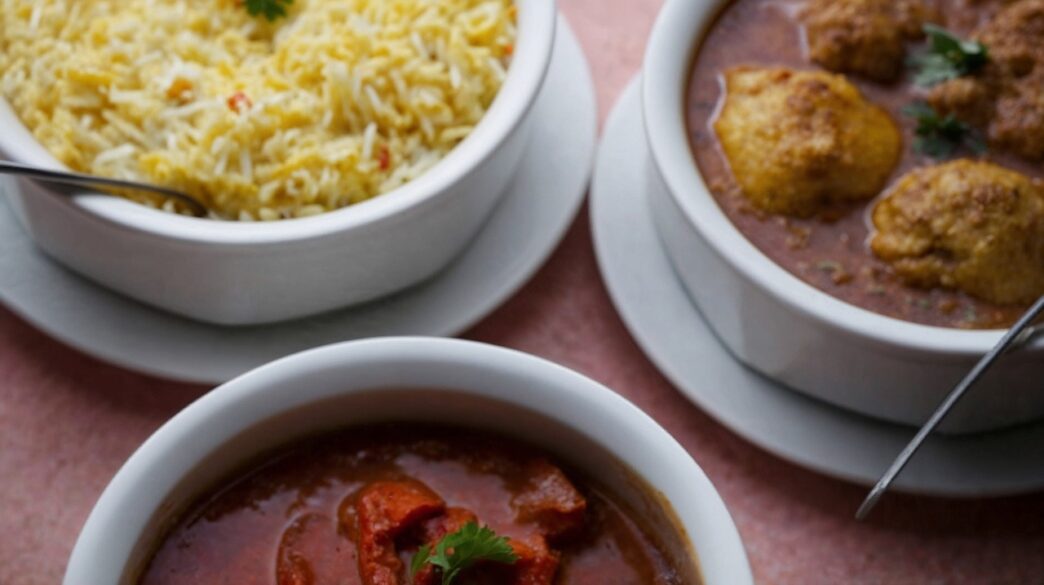
When you scan Biesmiellah’s menu, you’ll notice classic Cape Malay staples that practically beg to be sampled. One of my personal favourites is bobotie, a spiced mince baked under a soft egg custard. Served with yellow rice and sweet chutney, this dish somehow manages to feel both comforting and exotic at the same time. Trust me… once you’ve had bobotie at Biesmiellah, every other version might taste like a knockoff.
Feeling a bit more daring? Go for denningvleis, a slow-cooked lamb stew infused with tamarind that gives it a gentle tang. It’s a hearty reminder of the Southeast Asian influences embedded in Cape Malay recipes. I like to imagine old maritime routes connecting these places—a swirl of spices crossing oceans, only to find a permanent home right here in Cape Town.
If you’re hanging out with friends, order a few starters to share. Samoosas—fried pastry pockets stuffed with spiced mince, chicken, or veggies—are basically the universal crowd-pleaser. Alternatively, try daltjies, which are also known as chili bites. These fritters, made with chickpea flour and spinach, come with just enough zest to nudge your taste buds awake.
And then, of course, there’s breyani. Locals often whip it out for special occasions. Picture layers of tender meat, fragrant rice, lentils, onions, and a kaleidoscope of spices, all cooked to perfection and served with dollops of spiced yogurt. If that doesn’t make you salivate just a little, I might have to question your taste in comfort food.
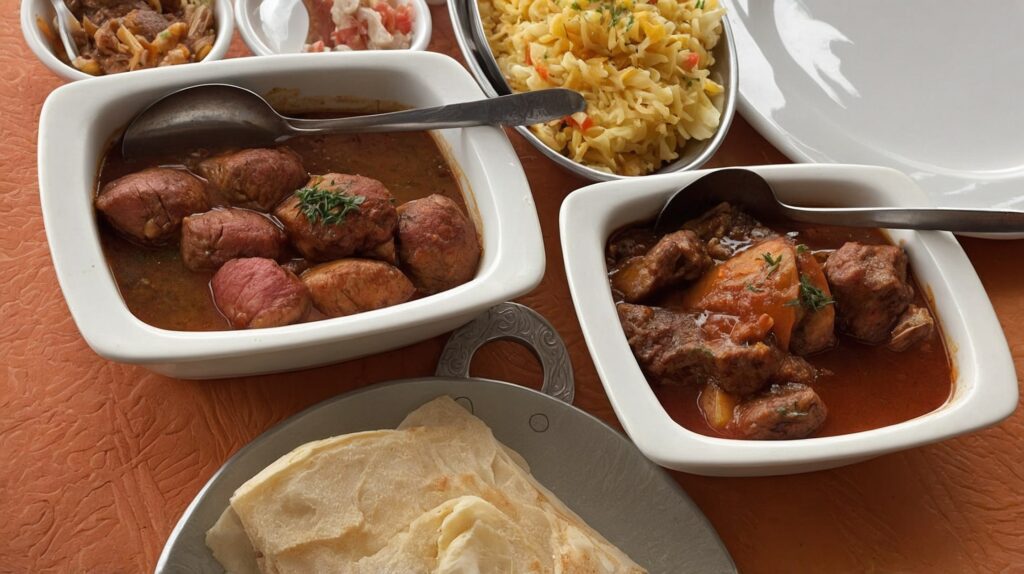
Honouring Faith and Tradition
Part of what makes Biesmiellah so special is its commitment to preserving tradition—both cultural and religious. This is a Halaal-certified establishment, which means Muslim diners can rest easy knowing that what’s on their plate respects their dietary guidelines. According to an article in The South African Foodie Almanac, Biesmiellah is considered one of the most trusted Halaal restaurants in Cape Town, drawing in not just locals but visitors from neighboring cities as well.
Sometimes, the restaurant will briefly close for daily prayers, a practice that has earned it a reputation for authenticity and devotion. And that’s kind of the heart of Bo-Kaap, right? You’re immersed in a community that values faith, history, and togetherness. You feel it in every bite you take.
Immersed in the Bo-Kaap Experience
Now, let’s talk about the setting, because location truly does matter. Bo-Kaap sits perched on the slopes of Signal Hill, watching over the bustling city center below. Its kaleidoscopic houses have appeared in countless photos and travel guides, making it a must-see for tourists—and a proud home for families who’ve been there for generations. Lately, there’s been more conversation about protecting Bo-Kaap’s heritage from rapid development. Community leaders are collaborating with local councils to ensure these vibrant streets remain a living narrative of Cape Town’s past.
When you dine at Biesmiellah, you’re not just grabbing a quick bite. You’re stepping into a neighborhood that’s fought to preserve its identity and traditions. After your meal, you might stroll around, greeting shopkeepers selling fragrant spices or exploring local mosques. Even if you’ve only got a few hours to spare, Bo-Kaap will leave an impression that’s hard to shake off.

A Taste That Tells a Story
For me, the magic of Biesmiellah lies in how it manages to feed both body and soul. No frills, no fancy plating—just good food rooted in faith, family, and a deeply cherished heritage. Sometimes I catch myself daydreaming about that first bobotie bite, or the tangy flavour of denningvleis that lingers long after you’ve paid the bill.
It’s not perfection in the sleek, polished sense, but it’s perfect in the way your grandmother’s kitchen might feel perfect. The service is friendly, the atmosphere laid-back. On a busy night, the chatter of clinking plates and soft laughter can wrap you in a sense of belonging. Just a few steps away, the pastel houses stand like silent witnesses to a tale that began centuries ago and continues to unfold in every pot and pan.
Conclusion: An Open Invitation
If you ever find yourself roaming the rainbow streets of Bo-Kaap, craving a slice of Cape Town’s diverse culinary story, let Biesmiellah be your guide. Don’t overthink it—just walk in, snag a table, and let the scent of slow-cooked spices spark your curiosity. You’ll leave with a happy stomach and maybe a deeper understanding of how food can connect us across time and culture.
Biesmiellah isn’t just a place to fill your belly. It’s where history, faith, and family values converge in a dish that feels both new and timeless. Next time someone asks you for a restaurant recommendation in Cape Town, you’ll know exactly what to say: “Head to Bo-Kaap… and look for that cozy little spot called Biesmiellah.” Trust me, your taste buds—and your heart—will be grateful you did.


