


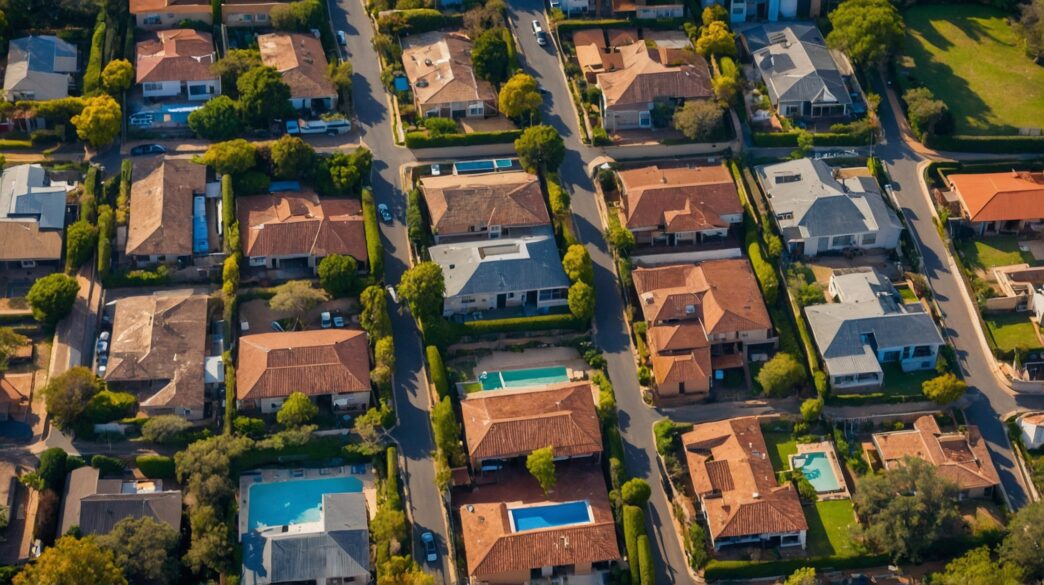
Buying a home is one of the most significant financial decisions many people will make in their lifetime. While the property itself is essential, the neighbourhood you choose can have an equally profound impact on your quality of life, investment potential, and overall satisfaction. In South Africa, where diversity in culture, lifestyle, and property types is vast, selecting the right neighbourhood can seem overwhelming. This guide will walk you through the key factors to consider when choosing the perfect neighbourhood for your new home.
1. Location, Location, Location
Proximity to Work and Schools
When selecting a neighbourhood, consider its proximity to your workplace and any schools your children may attend. Commuting times can significantly impact your daily life. A longer commute can lead to stress and less time for family activities or personal interests.
• Research Commute Options: Investigate the main roads, public transport options, and traffic patterns. Consider how these factors might affect your daily routine.
• Access to Quality Education: For families, the quality of local schools is often a top priority. Research school rankings, available extracurricular activities, and overall school performance.
Amenities and Services
Look for neighbourhoods that offer essential amenities and services within a reasonable distance. This can include grocery stores, healthcare facilities, parks, and recreational areas.
• Grocery Stores and Shopping: Proximity to supermarkets and shopping centers can save you time and make your life more convenient.
• Healthcare Services: Access to hospitals, clinics, and pharmacies is vital for your family’s health and well-being.
Safety and Security
Home safety is a paramount concern for many home buyers. Research crime rates in potential neighbourhoods and consider speaking with current residents to gauge their experiences.
• Local Crime Statistics: Websites like Crime Stats SA provide valuable insights into crime rates in specific areas.
• Community Engagement: A neighbourhood with an active community watch or resident association often reflects a safer environment.
2. Property Values and Market Trends
Understanding Property Prices
Before purchasing a home, research property prices in your desired neighbourhood. Look at recent sales data and trends over the past few years.
• Consult Real Estate Agents: Speak with local agents who have insights into market fluctuations and can help you gauge whether property values are rising or falling.
• Online Property Portals: Websites like Property24 and Private Property provide valuable market analysis and listings to help you understand average prices.
Future Development Plans
Consider the potential for future developments in the area. New infrastructure projects, such as roads, schools, or commercial centers, can enhance property values and improve your neighbourhood’s livability.
• City Council Plans: Check your local municipality’s website for information on planned developments or zoning changes.
• Community Meetings: Attend community meetings or forums where future plans are discussed, allowing you to gauge the neighbourhood’s trajectory.
3. Community and Lifestyle
Demographics and Community Vibe
Understanding the demographics of a neighbourhood can help you determine whether it aligns with your lifestyle and values.
• Age Groups: Consider the predominant age groups in the area. Are there families with children, young professionals, or retirees? This can impact community activities and social opportunities.
• Cultural Diversity: South Africa is a melting pot of cultures. Consider whether you prefer a neighbourhood that reflects your cultural background or offers diversity.
Social Amenities and Activities
A neighbourhood that offers social and recreational amenities can enhance your quality of life. Look for areas with parks, community centers, and venues for events.
• Local Parks and Recreation: Access to parks can provide a space for family outings, exercise, and social gatherings.
• Cultural and Social Events: Research whether the neighbourhood hosts events, markets, or festivals that align with your interests.
4. Future Growth Potential
Economic Development
A thriving local economy can enhance property values and provide job opportunities. Consider neighbourhoods with economic growth prospects.
• Local Business Environment: Assess the number of small businesses, job availability, and economic activities in the area.
• Employment Opportunities: Check if major employers or industries are establishing a presence in the neighbourhood, as this can indicate future growth.
Infrastructure Development
Investing in a neighbourhood with planned infrastructure improvements can lead to increased property values. Keep an eye out for future projects, such as new transport links or public amenities.
• Transport Links: Improved public transport options can make a neighbourhood more attractive to future buyers.
• Road Improvements: Upgrades to major roads can enhance accessibility, increasing demand for homes in the area.
5. Environmental Considerations
Green Spaces and Nature
Access to parks, nature reserves, and green spaces can significantly improve your quality of life. Neighbourhoods with ample greenery often promote outdoor activities and community engagement.
• Local Parks: Investigate the number and quality of parks in the area.
• Environmental Initiatives: Look for communities that promote sustainability and eco-friendly practices.
Climate and Geography
Understanding the climate and geography of a neighbourhood can help you prepare for potential challenges, such as floods or droughts.
• Natural Disasters: Research the area’s vulnerability to natural disasters and how local authorities respond to such events.
• Climate Adaptation: Check if the neighbourhood has plans for climate adaptation, such as improved drainage systems or flood defenses.
6. Affordability and Budget
Property Prices vs. Your Budget
Aligning your budget with property prices in your desired neighbourhood is crucial. Consider not just the purchase price but also ongoing costs, such as property taxes, insurance, and maintenance.
• Cost of Living: Research the overall cost of living in the area, including utility costs, property taxes, and community fees.
• Hidden Costs: Be aware of potential hidden costs, such as homeowners’ association fees or special assessments.
Financing Options
Explore financing options available to you. Different neighbourhoods may have varying requirements for down payments and loan options, so research thoroughly.
• Mortgage Rates: Shop around for the best mortgage rates and consult with financial advisors to determine your best financing strategy.
• Government Programs: Investigate any government programs or grants that can assist first-time homebuyers or buyers in specific areas.
7. Local Real Estate Agents and Resources
Working with Local Experts
Partnering with a knowledgeable real estate agent can provide valuable insights and streamline your home-buying process. A local agent can help you navigate the complexities of choosing the right neighbourhood.
• Recommendations: Seek recommendations from friends, family, or colleagues who have recently bought homes in the area.
• Online Reviews: Check online reviews and ratings to find reputable agents with a track record in your desired neighbourhoods.
Online Resources
Utilize online resources to research neighbourhoods thoroughly. Websites dedicated to real estate can provide comprehensive information about property values, amenities, and market trends.
• Real Estate Portals: Websites like Property24, Private Property, and Zillow can offer extensive listings and local market analyses.
• Community Forums: Engage in online forums or social media groups focused on real estate in South Africa to gain insights from current residents.
Conclusion
Choosing the right neighbourhood is a critical aspect of the home-buying process that requires careful consideration and research. From proximity to work and schools to property values and community dynamics, each factor plays a crucial role in ensuring that your new home meets your lifestyle and investment goals.
As you embark on your journey to find the perfect neighbourhood, keep these key factors in mind to make informed decisions that align with your needs and aspirations. Remember to leverage local expertise, conduct thorough research, and consider both current and future trends in the area. With the right approach, you can find a neighbourhood that not only feels like home but also offers long-term growth potential and satisfaction.


