Overview
- Green = real value: Verified efficiency (solar, heat pumps, insulation, water-wise fixtures) lowers running costs, de-risks the buy, and helps listings stand out.
- Solar PV + batteries: Specify kW/kWh/inverter + SSEG/CoC; note local rules (e.g., Cape Town export credits) as tariffs and municipal policies differ by city.
- Hot water that saves: Heat pumps/solar geysers meet SANS 10400-XA’s 50% non-resistive requirement; include model, install date, and service proof to build trust.
- Comfort by design. Insulation, low-E glazing, and north-facing living areas cut peak-heat pain; show real data (bill drops or indoor temps 3–5°C cooler) to convince.
- Water resilience + proof. Rain/greywater systems compliant with by-laws, plus EDGE (via GBCSA) credentials and green-loan perks, back it all up with certificates, tariffs, and recent bills.
In a market where every rand counts, homes that sip less power and save water are starting to stand out and sell smarter. Below, I’ll walk you through the green features that actually move the needle in South African listings right now, with local proof points, today’s financing perks, and practical tips to make those features shine in your marketing.
Solar PV + batteries
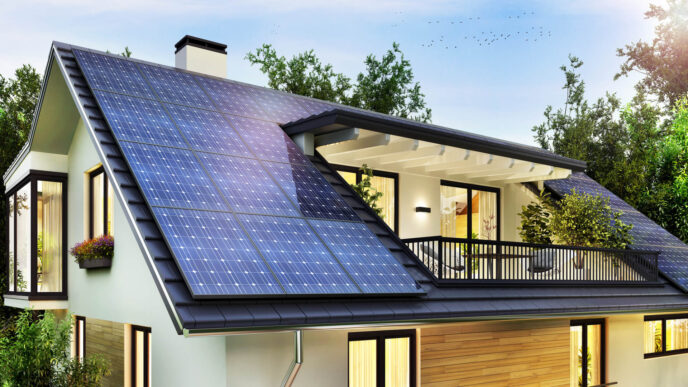
No surprise: rooftop solar remains the showstopper. Beyond lifestyle, it’s a line-item win. Cape Town’s “Cash-for-Power” programme has already paid out tens of millions to households feeding excess solar into the grid, including a per-kWh incentive on top of the feed-in tariff. That’s real money, not theory.
Will every city pay for exports? Not yet. Johannesburg has been slower and more stop-start in standing up a residential feed-in tariff, with updates still evolving into 2025. So, your listing’s value story should be local: highlight what your municipality allows now and what’s on the near-term roadmap.
A quick market note: as rolling blackouts eased at points in 2024, surveys showed a dip in the urgency to go fully off-grid. But cost reduction is still a major driver, and buyers view a ready-to-run system as a tangible asset.
How to frame it in a listing
- Specify the system size (kW), battery capacity (kWh) and inverter brand.
- Note compliance: SSEG registration, Certificate of Compliance, and any municipal approvals.
- If in Cape Town, mention whether exporting is enabled and whether credits hit past bills; show a statement if you can.
Hot water that doesn’t melt your bill
South Africa’s building code has quietly set expectations for years: at least 50% of a home’s annual hot-water demand must be met by non-resistive means (such as solar thermal or heat pumps) in new builds and approved extensions. If you’re buying or selling modern stock, that’s the baseline and a selling point when it’s executed well.
What buyers care about
- Heat pumps: reliable, grid-friendlier than old-school elements, and easy to service.
- Solar geysers: great savings in sunny regions; note the collector type and warranty.
- For listings, include the model, install date, and proof of service; small details that make buyers relax.
Passive design
Insulation in roofs and walls, decent glazing, and orientation are the difference between a house that always feels “just right” and one that bakes in February. SANS 10400-XA pushes houses to use energy efficiently via envelope requirements. When sellers can show real-world benefits (lower bills or temperature logs) curious viewers become convinced buyers.
In your description, say things like:
- “R-value of ceiling insulation,” “low-E double glazing in bedrooms,” or “northern aspect to main living.”
- “Summer afternoon living room stays 3–5°C cooler vs. outside”
Smarter water: from Cape Town lessons to everyday resilience
Cape Town’s Day Zero saga still echoes nationwide. One legacy is regulatory clarity around “alternative water” (boreholes, rainwater, greywater, etc.) and how it’s integrated on site. The City’s Water By-Law and 2018 amendment spell out definitions and responsibilities, which is helpful when buyers ask, “Is this legal and safe?”
Value-adding fixtures to call out
- Rainwater tanks plumbed to toilets/irrigation (with proper backflow prevention).
- Greywater reuse systems with filtration.
- Low-flow tapware and dual-flush toilets.
- If a property’s garden survives summer without mains irrigation because of rainwater/greywater.
Certification and proof
Certification adds trust. In SA’s residential space, EDGE (Excellence in Design for Greater Efficiencies) is the most common route and is administered locally through the Green Building Council South Africa (GBCSA). An EDGE home targets at least 20% savings in energy, water, and embodied energy in materials versus baseline.
Does certification translate into price? In commercial property, green certification has shown a persistent performance edge in South Africa’s MSCI Green Property Index; think lower vacancies and stronger income resilience. While that’s a different segment, it signals how the market is already rewarding verified efficiency. Residential is catching up fast, with banks directly tying rates to green credentials.
If you’re listing a certified unit
- Put the certificate number in the advert.
- Name the certifier (EDGE via GBCSA) and highlight the modelled savings.
The Take Home
South African buyers want homes that work in heatwaves, through tariff hikes, and when the grid wobbles. Solar that pays you back, hot water that doesn’t hammer the bill, insulation that makes summers bearable, and water systems that keep gardens alive. These aren’t niche upgrades anymore. They’re value.
If you’re selling, bring receipts: certificates, tariffs, bills, and photos. If you’re buying, ask the right questions and run the numbers with your bank’s green products in mind. In a cautious market, verified sustainability isn’t just good for the planet. It’s a surprisingly practical path to a better offer, and a happier life once you move in.