


Overview
- Discover why the current housing shortage makes backyard cottages a highly lucrative investment.
- Learn the critical zoning laws you absolutely must check before mixing any mortar.
- Uncover the hidden architectural tricks that make small spaces feel massive and inviting.
- Understand how to connect utilities without running afoul of strict municipal regulations.
- Find out how to attract reliable tenants and effectively manage your new income stream.
The global housing crisis deepens. The cost of living is still skyrocketing everyplace. So, more homeowners are renting out their properties for additional income. Building a granny flat or garden cottage is a very smart financial move. But it’s not simply about laying bricks. Careful navigation of legal structures and municipal bylaws is required to the process. Getting it right means a steady flow of passive income. Getting it wrong could result in a devastating demolition order. Are you ready to explore the possibilities?
The Housing Squeeze and Your Backyard
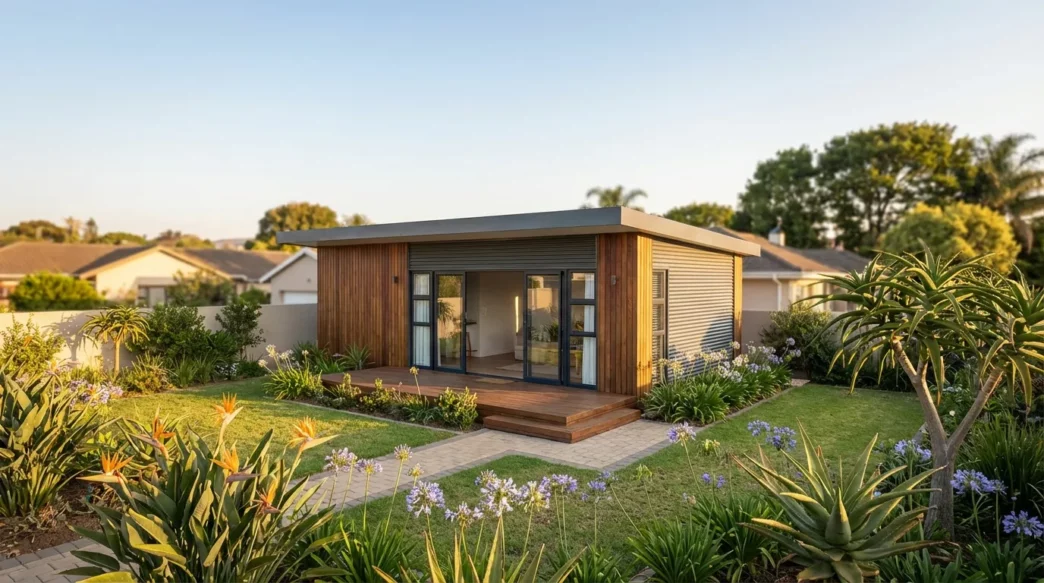
Currently, urban centres face a severe shortage of affordable accommodation. Remote workers are fleeing cramped apartments in search of quiet suburban spaces. This shift creates a massive opportunity for property owners with spare land. A report from the Centre for Urban Design and Mental Health notes an interesting trend. Smaller standalone living spaces significantly reduce urban isolation. People genuinely crave community but still demand their privacy. A backyard cottage provides the perfect balance. It answers a pressing societal need while padding your bank account.
Consequently, the backyard cottage has evolved beyond its traditional roots. It is no longer just a place to house elderly relatives. These structures are now highly sought after rental units. Young professionals love them. University students compete fiercely for them. The demand is undeniably real. However, enthusiasm alone won’t pour a solid foundation. You need a clear understanding of the rules governing your specific plot of land. Ignorance of the law is never a valid defence when the building inspector knocks.
FindMy lets you effortlessly compare top local renovation companies and grab their direct contact details in seconds.
Decoding the Local Zoning Regulations
First, zoning laws tell you exactly what you can build. Every municipality has a master plan that categorises land use. You cannot simply build a second dwelling just because you have the space. Some areas strictly prohibit multiple dwellings on a single residential stand. Others actively encourage it to increase urban density. The Journal of Planning Literature recently published a fascinating study on this. It revealed that relaxed zoning laws in specific metropolitan areas increased local housing supply by twelve percent.
Therefore, a trip to the local town planning office is essential. You must request a copy of your property zoning certificate. This document reveals your building lines and maximum height restrictions. It also dictates your permissible floor area ratio. Sometimes, title deeds contain restrictive conditions that override municipal zoning. An old covenant from the previous century might explicitly forbid a second dwelling. You must remove such restrictions through a formal legal process before proceeding. Skipping this step is incredibly risky for any investor.
The Intricacies of Planning Permission
Next, you must tackle the planning permission phase. Once you know the zoning allows a cottage, you need approved architectural plans. A registered architect or draughtsperson must draw these up professionally. They cannot be rough sketches drawn on a napkin. The plans must show structural details, drainage, and electrical layouts. Furthermore, the local council must stamp their approval on these drawings. This bureaucratic process can take anywhere from a few weeks to several months. Patience is definitely a virtue here…
Neighbourly consent might be a strict legal requirement. If your planned structure encroaches on building lines, your neighbours have a say. They can lodge objections that stall your project indefinitely. It is always wise to discuss your plans with them beforehand. A friendly chat over the garden fence can prevent formal disputes later. According to the Council for Scientific and Industrial Research, community approval speeds up development applications significantly. People fear losing their privacy or sunlight. Reassure them with thoughtful design choices.
Designing an Appealing and Legal Structure
The design of your cottage is the key to its future success. Comfort in small spaces requires smart architectural solutions. High ceilings and strategically placed skylights are massive advantages. They draw the eye upward and flood the room with natural light. An interesting fact to consider involves human psychology. The Environmental Design Research Association found that natural light increases tenant willingness to renew their lease. A bright space feels larger and vastly more inviting than a dark box.
Moreover, compliance with national building regulations is strictly mandatory. Your design has to meet codes for ventilation, fire safety and energy efficiency. …windows have to be a certain percentage of the total floor area. The roof should be sufficiently insulated to accommodate extreme temperature fluctuations. If you plan to rent it out, durability is key. Choose hard wearing finishes like porcelain tiles instead of cheap laminates. A well designed legally compliant cottage attracts premium tenants and requires far less maintenance over time.
Eco Friendly and Cost-Effective Utilities
Connecting utilities often presents a complex puzzle. Water, electricity, and sewerage must link to the municipal grid legally. Most councils require a second dwelling to share the primary water meter. However, installing a prepaid secondary electricity meter is a brilliant move. It completely eliminates disputes over power usage. You never want to end up subsidising a winter heating bill. The Institute of Energy Economics points out a rising trend. Decentralised metering drastically reduces landlord and tenant conflicts.
Additionally, exploring alternative grid options can increase your rental yield. Solar water heaters or heat pumps reduce the strain on the municipal electrical supply. Rainwater harvesting tanks are incredibly attractive to environmentally conscious renters. Some municipalities even offer rebates for sustainable building practices. While the initial setup costs are higher, the long-term savings are substantial. Tenants are often willing to pay a premium for a truly green home. It gives them peace of mind and significantly lowers their monthly living expenses.
Surviving the Construction Process
Eventually, the paperwork concludes and the actual building begins. Managing a construction site in your backyard is inherently stressful. There will be noise, dust, and a parade of contractors. Hiring a reputable registered builder is absolutely crucial. Ask for references and verify their registration with the national building council. A startling statistic from the Construction Industry Development Board reveals the danger of cheap labour. Nearly thirty percent of unapproved building projects need major remedial work within five years.
There are also times when municipal inspections are necessary. The inspector must check the foundation trenches before the concrete pours. They must inspect the plumbing before the walls are plastered. If you cover up work before an inspection, they can order you to break it down. Keep a close eye on the project timeline. Make sure your builder arranges for these inspections to be done without delay. If you don’t talk to your project manager regularly, you may make costly mistakes. A good build creates a path for a profitable rental business.
Navigating the Tax Implications
Similarly, taxation is an often overlooked aspect of generating extra property income. Once your tenant starts paying rent, the revenue authority takes a keen interest. Rental income must be declared on your annual tax return. If you do not, you commit a criminal offense which carries heavy penalties. It can result in audits and large fines. But it is not all doom and gloom for property investors. The Institute for Fiscal Studies points out there are lots of deductions available to landlords. You can often deduct the cost of maintenance, insurance premiums and even the interest on the building loan.
Knowledge about capital gains tax is important for financial planning. Adding a second dwelling can add a significant amount to your property market value. That added value could mean a bigger tax bill when you do finally sell the home. Consulting a registered tax practitioner before you build is an incredibly smart move. They help you structure the investment efficiently. Proper planning ensures you keep the lion’s share of your hard earned rent. A legally sound project includes watertight financial compliance from day one.
Finding the Perfect Tenant
Finally, your beautiful cottage is ready for occupation. Finding the right tenant is the very last crucial step. You must conduct thorough background checks. Verify their employment, check their credit score, and call their previous landlords. A full lease protects your investment perfectly. It should clearly state rules of noise, parking and maintenance responsibility. The Centre for Affordable Housing Finance says straightforward communication upfront leads to eviction rates that are much lower. A good tenant treats your property with absolute respect.
Setting the right rental price requires careful market research. Look at similar properties in your neighbourhood. Price it too high, and it sits empty. Price it too low, and you leave money on the table. Consider hiring a letting agent if you dislike confrontation. They handle the marketing, the vetting, and the inevitable midnight plumbing emergencies. It costs a small percentage of the rent, but the peace of mind is invaluable. Your backyard is now a thriving business.
Conclusion
Building a granny flat is a fantastic way to secure your financial future. Patience, a little capital and a great respect for local laws are needed. It’s a tough but incredibly rewarding journey from an empty lawn to a profitable rental unit. By following the correct legal channels and prioritising quality design, you create a valuable asset. That unused space is finally working for you. The passive income will quickly make all the bureaucratic headaches worthwhile. Start planning today and watch your property potential unfold.


