Overview
- Diners are becoming incredibly spontaneous with their real time restaurant bookings.
- Weather patterns are having a huge impact on preferences and dining destinations.
- Indigenous foods, like sorghum and wild greens, are being rediscovered in modern diets.
- As household budgets tighten, diners want to see honest value and consistency.
- Local street food and comfort classics are being beautifully elevated.
The culinary landscape across South Africa is shifting in fascinating ways this year. People are eating out differently. They’re choosing their destinations with entirely new priorities in mind. Diners want experiences that feel authentic and grounded in reality. The flashy gimmicks of yesterday are disappearing quickly. But there is a great desire for real connection and comfort. And, for many households, economic pressures are certainly influencing these choices. The love for amazing food, however, is still as strong as ever. This article examines the forces transforming local kitchens and dining rooms in 2026.
The Spontaneous Diner Emerges
Planning weeks ahead is officially a thing of the past. South Africans are embracing spontaneity when they decide to eat out. Recent industry data from Dineplan reveals a massive shift in booking habits. A record breaking fifteen million diners were seated over the summer season. Surprisingly, a huge portion of these reservations happened on the exact same day. People are simply opening their apps to see what’s available nearby. It makes you wonder, is restaurant loyalty slowly disappearing? Diners are chasing the immediate thrill of availability and current mood.
This creates an interesting challenge for local hospitality venues. Restaurants can’t rely purely on their established reputation anymore. They need to be visible and available at a moment’s notice. Friday nights remain the absolute peak time for social gatherings. Group sizes are actually increasing as people seek communal experiences. Friends want to share a table and catch up after a long week. The first week in December was a real buzz for the industry. Right now, it’s clear that spontaneity is pushing the market forward.
Weather Patterns Predict Cravings
It is amazing how the forecast influences what we eat. FindMy platform data shows a clear connection between weather and dining. Rain and cold snaps immediately change what people search for online. During a chilly week in Durban, searches for warm bunny chows spike drastically. The same thing happens in Cape Town with the iconic Gatsby sandwich. People want heavy and comforting food when the skies turn grey. This weather adaptive dining behaviour is a brilliant insight into consumer psychology.
Restaurants are starting to use this data to their advantage. They can push specific menu items based on the morning weather report. In the Western Cape, lighter meals are on the menu for the warm days of autumn. Diners suddenly desire fresh salads and bright ingredients rather than heavy stews. It’s a smart way for kitchens to track their day’s inventory. These small changes in perception can help venues locate the sweet spot of local cravings. It’s really interesting to see how technology and appetite intersect.
Celebrating Indigenous Roots and Recipes
There’s a beautiful movement bringing traditional ingredients back to the forefront. The recent launch of a book called Roots and Recipes highlights this perfectly. The United Nations helped publish this guide to indigenous foods. It’s deeply inspiring to see crops like Bambara groundnut getting attention. Sorghum and millet are also finding their way onto fine dining menus. These ingredients are naturally resilient to our changing climate. They also offer incredible nutritional benefits for health-conscious diners. It feels like a vital step toward real food security.
Chefs are using these native plants to tell powerful local stories. We’re moving away from Eurocentric cuisine-only standards finally. To take back indigenous food feels like taking back a piece of national identity. Government departments and farming groups are actively supporting this food shift. Local farmers are partnering with star chefs and menus are being completely revamped. These foods are a deep expression of place and history. Diners are very keen to taste the real flavours of their heritage.
Seeking Value and Consistency
Current economic realities are undeniably putting pressure on household budgets. This brings a very understandable concern to the hospitality industry. People simply have fewer chances to spend their money freely right now. When they do eat out, they demand absolute consistency and value. Buyers at the Africa Food Show noted a sharp move away from fleeting fads. Diners want familiar dishes that are perfectly executed every single time. Hype isn’t enough to keep a business afloat anymore. Trust has become the most valuable currency a restaurant can possess.
But this does not mean that people have stopped enjoying small indulgences. And the craving for that perfect cup of coffee or baked good is still there. These smaller treats fit nicely into tighter everyday budgets. They provide a bit of happiness without emptying your wallet. Suppliers are seeing a huge demand for quality staples vs. novelty items. Texture is also a big talking point among culinary experts. Unique bites or softness in a dish create a memorable experience. It proves that simplicity can still be incredibly sophisticated.
The Plant Forward Revolution
The shift toward eating more plants is impossible to ignore. Health-conscious choices are taking over search engines and reservation platforms. That’s more than forty percent of users looking for vegetarian options. This is a staggering stat and it points to a massive shift in culture. People are asking questions about sustainability and how their food is sourced transparently.” The farm to table movement is seeing huge growth in regions like Gauteng. Diners want to know exactly where their vegetables were grown. They expect restaurants to build relationships with ethical local producers.
Kitchens are responding with incredibly innovative plant-based dishes. We’re way past the era of boring side salads and bland tofu. Chefs are treating vegetables with the same respect as premium meat cuts. Develop deep and complex flavours with roasting, smoking and fermenting techniques. Sometimes meat is just a condiment, not the main attraction. This healthy, eco-friendly way to obtain protein.
Street Food Reaches New Heights
South African street food has always been vibrant and full of soul. Now these beloved classics are taking centre stage in established venues. The Wing Republic, for example, has mastered this elevated casual approach. They take the well-known favourites and perform them with pinpoint accuracy. The relaxed vibe and always amazing flavours are loved by diners. It closes the distance between casual and fine dining. These places are always inviting and full of energy. It shows that great food doesn’t need white tablecloths.
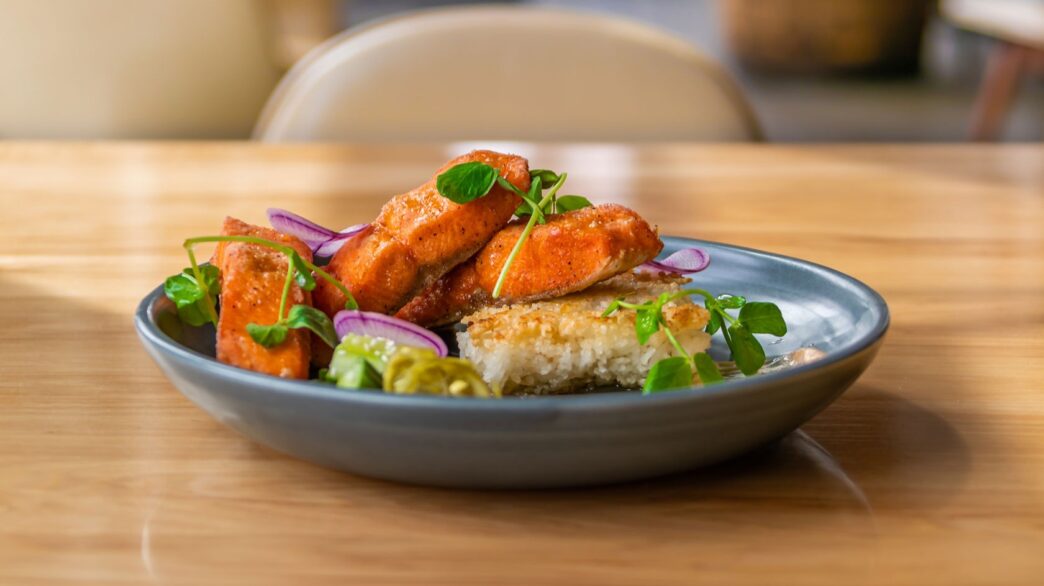
This is a trend often followed by many forms of traditional street food. From flawlessly seasoned meat skewers to inventive fried dough creations. Chefs are using higher quality ingredients to reinvent nostalgic childhood snacks. The presentation is sharper, but the comforting soul remains completely intact. It’s a wonderful celebration of local culture and informal dining traditions. Tourists are also flocking to these venues for an authentic taste. Taking street food seriously is elevating the entire culinary landscape.
The Cocktail and Social Hub
The desire for vibrant social spaces is driving the modern cocktail scene. People want a complete experience when they leave their homes. Proud Mary and others have this delicate balance of drinks and atmosphere down pat. The menu is just as important as the aesthetic. Craft cocktails made from local botanicals and unique flavour profiles. Bartenders are using indigenous herbs to create truly South African drinks. It adds a fascinating layer of storytelling to a simple night out.
These social hubs mix the lines between dinner and late-night lounging. Start with small plates to share, then move seamlessly into cocktails in the evening. This matches the spontaneous nature of today’s diners perfectly. The music and the lighting and the service all feed into a mood. People are looking for a change from their everyday life. People are seeking a temporary escape from their daily routines. Providing that flawless sense of escapism is an art form. The best venues make you feel completely transported the moment you enter.
Redefining Comfort on a Plate
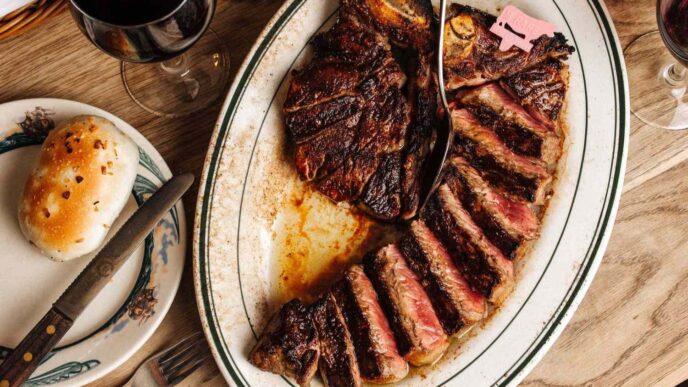
Comfort food is experiencing a very refined and thoughtful renaissance. Chefs are taking heavy, traditional meals and lightening them up considerably. They use better seasoning and improved cooking techniques to elevate the dish. Slow cooked stews and roasts deliver incredible depth without feeling overly greasy. It’s about maximizing flavour while honouring the raw ingredients. To do this kind of cooking you need good meat suppliers. Start with a great product and the chef has an easier job. Simple food really shines when the basic stuff is good.
This evolution of comfort food makes dining out feel incredibly restorative. After a stressful week, people want food that feels like a warm hug. But they also want it prepared better than they could manage at home. Global influences are subtly making their way into these familiar dishes. A traditional roast might feature unexpected spices or a vibrant international sauce. It keeps the palate engaged while delivering the emotional warmth we crave. This careful balance is defining the best menus across the country.
Conclusion
The current state of our culinary industry is both challenging and thrilling. Venue owners never know what’s coming because of spontaneous bookings and shifting budgets. But that emphasis on local ingredients and honest cooking is pretty encouraging. We’re seeing a beautiful comeback to authenticity in all areas. Certainly, the places that focus on real value and consistent quality will succeed. The combination of weather data and smart menus is a brilliant innovation. South Africa maintains its position as a world class food destination. The rest of the year promises even more delicious and thoughtful evolution.