Overview
- A glimpse of the lively hum and huge crowds at the Victoria and Alfred Waterfront.
- Getting out into the untamed wilderness and amazing variety of life of Kruger National Park.
- Ascending the ancient sandstone cliffs of Table Mountain.
- Uncovering the mysteries of early human ancestors at the Cradle of Humankind.
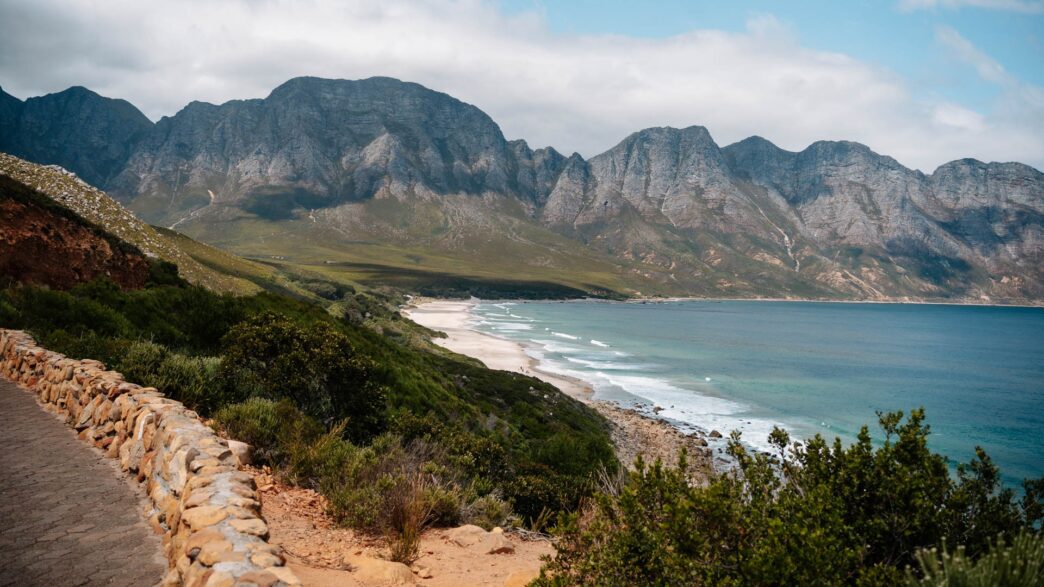
- Tracing the magnificent coastal roads and forests along the Garden Route.
South Africa has always been a country of incredible contrasts. Latest figures from Statistics South Africa show that tourism is bouncing back massively. By early 2026, more than ten million visitors came. It’s so good to see this vital industry bouncing back after a difficult few years. Rich culture and stunning landscapes are drawing travellers back. But the trip is about so much more than pretty scenery. Every major destination has a story, deep and complex, woven into its fabric. Visitors often leave with more questions than answers, and that’s part of the magic. Let the exploration begin into the most popular spots drawing people to the southern tip of Africa.
The Thriving Heartbeat of the Victoria and Alfred Waterfront
Most trips to Cape Town begin right by the ocean. The Victoria and Alfred Waterfront is officially the most visited destination in Africa. Roughly twenty-four million people walk through this bustling harbour every single year. It’s a massive number that almost defies belief. The working harbour seamlessly blends retail and entertainment with genuine maritime history. Tourists might hear the distant blast of a ship horn. Guests will definitely smell the salty sea breeze mixed with roasting coffee. It feels alive. The energy is simply contagious. People watch ships dock while eating incredible local food.
Recent reports by Wesgro highlight the overwhelming popularity of this precinct. The area recovered remarkably fast after global travel stopped. It isn’t just about luxury shopping either. The Waterfront is home to the Zeitz Museum of Contemporary Art Africa. This stunning museum sits inside an old grain silo. It holds the largest collection of contemporary African art in the world. Visitors are often left breathless by the towering concrete atrium. It is a strong statement about the future of African creativity. There’s always something new to discover around every corner.
The Raw Power of Kruger National Park
Far away from the coastal cities lies an untamed wilderness. Kruger National Park spans an area roughly the size of Israel. It is one of the oldest game reserves on the continent. Over a million and a half tourists come to this vast sanctuary each year. It’s hard to take in the vast size of the landscape. As you pass thru the gates there is an immediate sense of anticipation. Every rustle in the bushes could be a lion or an elephant. The air feels heavy and warm. Observers realize very quickly that humans are just guests here… nature dictates all the rules.
The park is home to an astonishing eighty percent of the world rhino population. This fact alone brings a profound sense of responsibility and concern. Anti-poaching efforts remain a daily struggle. Rangers work tirelessly to safeguard these magnificent creatures. Visitors are often deeply moved emotionally by conservation efforts. To see a wild rhino is a privilege that may not last forever. It’s humbling experience. It is a reminder to us all of the delicate balance of the natural world. Tourism revenue directly invested in these important protective efforts.
The Majestic Presence of Table Mountain
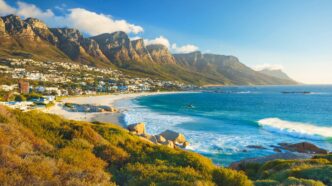
It’s impossible to ignore the massive flat topped mountain looming over Cape Town. Table Mountain is a global icon and a biodiversity hotspot. The national park protecting it sees well over two million visitors annually. The mountain is covered in unique vegetation known as fynbos. Much of this plant life exists nowhere else on earth. Taking the aerial cableway to the top is a thrilling experience. The city slowly shrinks below as the car rotates. Once at the summit the wind often howls. The views are absolutely spectacular.
Managing such a busy natural site is incredibly complicated. South African National Parks recently reported huge visitor numbers during the summer season. They also dealt with over one hundred wildfires in the area during that same period. It highlights the intense vulnerability of this unique ecosystem. Dedicated firefighters work around the clock to protect both the flora and the surrounding city. Standing on the edge of the mountain brings a sense of awe. Onlookers can gaze down at the sprawling coastline and feel truly insignificant. It’s a beautiful and wild place.
The Deep History of the Cradle of Humankind
Just outside Johannesburg lies a very different type of attraction. The Cradle of Humankind is a globally recognized heritage site. It doesn’t have the flashy appeal of a beach or a mountain. Instead, it offers a journey deep into a shared ancient past. The area contains a massive network of limestone caves. These dark caverns have preserved the fossilized remains of early ancestors for millions of years. Walking down into the caves feels incredibly eerie. The air is damp and cool. The silence is profound.
This site has produced some of the most significant paleoanthropological discoveries ever made. These fossils have literally rewritten the story of man. The ancient bones often evoke a strange sense of connection in visitors. Think of the early hominid struggles, it is amazing. They lived in a harsh and unforgiving landscape. Visitors can explore the visitor centre and experience these ancient stories. It makes travellers ask themselves where mankind came from and where it is headed. That is very humbling. It leaves a lasting impression on all who visit.
The Coastal Beauty of the Garden Route
As you drive along the south coast you will see a beautiful landscape. The Garden Route is hundreds of kilometres long. It is famous for its lush forests and pristine beaches. Pretty towns and dramatic river gorges are linked by winding roads. It’s a favourite destination for both local and international travellers. The sheer variety of scenery is breathtaking. One moment onlookers are watching crashing ocean waves. The next they’re surrounded by towering ancient trees. It’s the perfect place for a slow and meandering road trip.
This region heavily relies on the constant flow of tourists. The recent economic recovery has breathed new life into the small coastal communities. Bed and breakfasts are full again. Local restaurants are thriving. Yet there’s always a lingering concern about sustainable travel. The natural environment is delicate. Visitors are encouraged to explore responsibly. Hiking the coastal trails offers a chance to see dolphins and whales. The air is crisp and clean. The natural beauty is simply restorative. It’s easy to see why people return year after year.
The Somber Echoes of Robben Island
A short ferry ride from the Waterfront transports visitors to a place of great historical heft. Robben Island is not far from the mainland, but it might as well be another planet. It’s most famous as the prison where Nelson Mandela spent eighteen years. Visiting the island is an incredibly moving experience. Guests step off the boat, and the mood immediately shifts. You can feel the isolation. The wind whips across the barren landscape. The prison buildings are a reminder of a painful past.
Former political prisoners often do the guiding. Hearing their stories firsthand adds a fantastic emotional dimension. Reading about history in a book is one thing. But to stand in the very small cell where a world icon was held captive is something else. Visitors are bound to feel a kind of sadness and deep respect. The island is more than a monument to suffering. It is a powerful symbol of the victory of the human spirit. It makes people think about freedom and justice.
Conclusion
There is an incredible diversity of experiences for any traveller in South Africa. There is definitely something for everyone, from the busy city waterfronts to the peaceful ancient mountains. The recent influx of visitors shows that the attraction of this country is stronger than ever. A voyage thru these destinations reveals the region’s multifaceted complexities and its dynamic resilience. Every place has its own story of nature and history. The beauty is obvious, but it is the historical depth that really takes hold of the soul. Visitors will surely leave with memories to last a lifetime.