


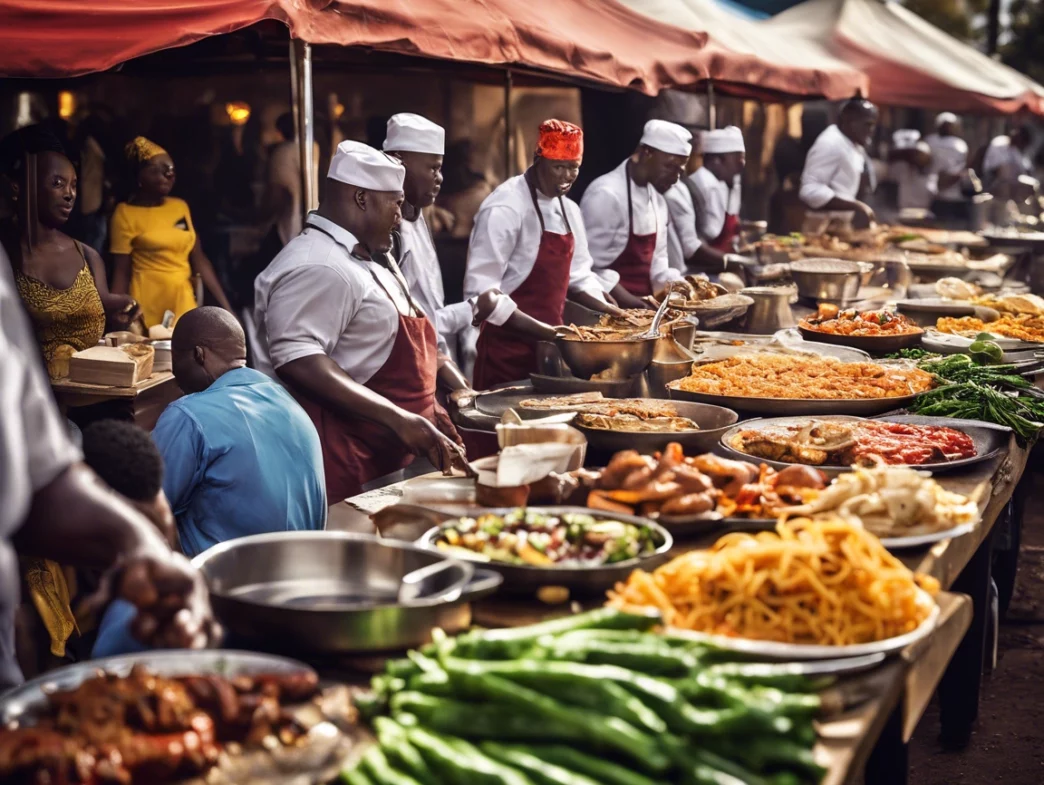
South Africa is a land of rich cultural diversity, breathtaking landscapes, and an ever-evolving culinary scene that reflects its complex history and vibrant society. From humble street food stalls to Michelin-starred restaurants, the country offers a gastronomic journey that tantalizes the taste buds and showcases local ingredients, traditions, and innovations. This article will delve into the evolution of South Africa’s culinary landscape, exploring the flavors, influences, and trends that have shaped it into the exciting food destination it is today.
A Melting Pot of Flavours
South Africa’s culinary scene is often described as a melting pot, where various cultures converge to create a unique food tapestry. The country’s food traditions are influenced by indigenous tribes, colonial settlers, and immigrants from all over the world. This blend of flavors is evident in the country’s diverse cuisines, from traditional dishes like bobotie and bunny chow to contemporary interpretations that incorporate global influences.
Indigenous Influences
The roots of South African cuisine can be traced back to the indigenous tribes, such as the Khoisan, Zulu, and Xhosa, who have inhabited the land for thousands of years. These communities relied on local ingredients, foraged foods, and traditional cooking methods. Key staples included maize, sorghum, pumpkin, and a variety of meats and fish.
One of the most iconic dishes is braai, a South African barbecue tradition that brings people together to share grilled meats, sausages, and side dishes. Braai culture has become a vital part of South African identity, symbolizing community and camaraderie.
Colonial Influences
The arrival of European settlers in the 17th century introduced new ingredients and cooking techniques that would significantly shape South African cuisine. The Dutch brought with them spices, preserves, and techniques such as pickling and baking, leading to the creation of popular dishes like koeksisters (sweet syrup-soaked pastries) and biltong (dried cured meat).
The British also played a significant role in the culinary evolution, influencing local cuisine with traditional dishes such as potjiekos (a slow-cooked stew) and malva pudding (a sweet sponge dessert). These colonial influences blended with local ingredients to create a distinct fusion of flavors.
The Indian Influence
The arrival of Indian indentured laborers in the 19th century added yet another layer to South Africa’s culinary landscape. Indian cuisine has left an indelible mark on South African food culture, particularly in urban areas. Dishes such as bunny chow (a hollowed-out loaf of bread filled with curry) and samoosas (savory pastries) have become beloved staples.
Today, the vibrant spice markets in cities like Durban reflect this Indian influence, where you can find a variety of spices and ingredients that form the basis of many South African dishes.
Street Food: The Heartbeat of South Africa’s Culinary Scene
One of the most exciting aspects of South Africa’s culinary landscape is its street food culture. Street food is not just about quick bites; it’s a reflection of the country’s diversity and creativity. From food trucks to open-air markets, street food vendors offer a wide array of delicious options that cater to all tastes and budgets.
Popular Street Foods
1. Bunny Chow: Originating from Durban’s Indian community, this dish consists of a hollowed-out loaf of bread filled with curry. It’s a satisfying meal that showcases the bold flavors of Indian spices.
2. Boerie Roll: This quintessential South African hot dog features a juicy boerewors sausage served in a soft roll, often topped with spicy tomato sauce and onions. It’s a popular choice at street fairs and braais.
3. Vetkoek: Deep-fried dough filled with savory mince or sweet jam, vetkoek is a comforting snack enjoyed by many. It’s a versatile treat that can be found at roadside stalls and markets.
4. Samoosas: These crispy pastries filled with spiced vegetables or meat are a favorite among locals. They make for a perfect on-the-go snack and can be found at various street food vendors.
5. Biltong: While not exclusive to street food, biltong is a beloved snack that showcases South Africa’s meat-drying heritage. This cured meat is available in various flavors and is perfect for snacking while exploring the streets.
The Rise of Food Markets
In recent years, food markets have become a trendy destination for both locals and tourists seeking authentic street food experiences. Markets such as the Neighbourgoods Market in Johannesburg and the Cape Town Street Food Festival showcase a diverse array of food vendors, allowing visitors to sample dishes from various cultures all in one place.
These markets are not just about food; they also foster community, creativity, and entrepreneurship, as many vendors are small business owners showcasing their culinary talents.
Fine Dining: The New Wave of Culinary Excellence
As South Africa’s street food scene thrives, the fine dining sector has also been experiencing a renaissance. A new generation of chefs is embracing local ingredients and traditional techniques while incorporating global culinary trends. This evolution has led to the emergence of innovative restaurants that push the boundaries of gastronomy.
The Michelin-Starred Experience
While South Africa has not yet received its first Michelin star, several restaurants are gaining international acclaim and recognition for their exceptional cuisine and dining experiences. Restaurants like The Test Kitchen in Cape Town and La Colombe in Constantia are consistently ranked among the best in the world.
These establishments focus on creating multi-course tasting menus that highlight local produce and unique flavor combinations. Chefs often source ingredients directly from local farmers and artisans, emphasizing the importance of sustainability and supporting local communities.
Contemporary South African Cuisine
Today’s fine dining restaurants are not just about luxury; they are also about storytelling and celebrating the rich culinary heritage of South Africa. Many chefs are infusing their menus with influences from their own backgrounds, creating unique dishes that reflect their journeys.
For example, Chef Jan Hendrik van der Westhuizen, the first South African chef to earn a Michelin star, showcases his love for South African ingredients while incorporating French culinary techniques. His restaurant, Jan, located in Nice, France, has become a symbol of South African culinary excellence on the global stage.
Culinary Festivals and Events
To further highlight the evolution of South Africa’s culinary scene, various food festivals and events are held throughout the year. Events like the Cape Town Culinary Festival and the Durban Food and Wine Show celebrate local chefs, wineries, and food producers, bringing together food enthusiasts from all over the country.
These festivals not only provide a platform for showcasing culinary talent but also foster a sense of community among chefs, food lovers, and producers, creating a vibrant food culture that continues to grow.
The Influence of Technology on Dining
In recent years, technology has played a significant role in shaping South Africa’s culinary scene. The rise of food delivery apps, online reservations, and social media platforms has made dining more accessible and convenient for consumers.
Food Delivery Services
Services like Uber Eats and Mr D Food have transformed the way people enjoy their favorite dishes, enabling customers to order food from their favorite restaurants with just a few clicks. This convenience has also encouraged restaurants to expand their offerings and explore new culinary ideas, knowing that their creations can reach a broader audience.
Social Media and Food Trends
Social media platforms like Instagram and TikTok have become essential tools for restaurants to showcase their dishes and attract customers. The rise of food influencers and bloggers has led to the emergence of food trends, from elaborate dessert creations to Instagrammable brunch spots.
Restaurants are now focusing on aesthetics as much as taste, creating visually stunning dishes that are shareable on social media. This emphasis on presentation has transformed the dining experience, encouraging chefs to experiment and innovate.
Sustainability and Ethical Dining
As South Africa’s culinary scene continues to evolve, there is a growing awareness of the importance of sustainability and ethical dining practices. Many chefs and restaurants are committed to sourcing ingredients responsibly, minimizing waste, and supporting local communities.
Farm-to-Table Movement
The farm-to-table movement has gained momentum in South Africa, with many restaurants prioritizing local produce and seasonal ingredients. Chefs are forming relationships with local farmers, ensuring that their menus reflect the best of what the region has to offer.
Conscious Dining
In addition to sourcing local ingredients, many restaurants are adopting practices that prioritize sustainability. This includes reducing food waste, using eco-friendly packaging, and promoting plant-based options. As consumers become more conscious of their food choices, restaurants are responding by providing dishes that are both delicious and environmentally friendly.
Conclusion
The evolution of South Africa’s culinary scene is a testament to the country’s rich cultural heritage, diverse influences, and the passion of its chefs and food producers. From vibrant street food stalls to exquisite fine dining establishments, the culinary landscape continues to grow and change, offering something for everyone.
As South Africa embraces its culinary identity, food lovers can look forward to a future filled with exciting flavors, innovative dishes, and a commitment to sustainability. Whether you’re indulging in a hearty bunny chow at a street vendor or savoring a meticulously crafted meal at a fine dining restaurant, South Africa’s culinary journey is sure to leave a lasting impression on your palate.
So, the next time you find yourself in this beautiful country, don’t miss the opportunity to explore its diverse culinary scene—from street food to fine dining, there’s a world of flavors waiting to be discovered.


