Overview
- The core motivations behind the farm to table dining movement reveal a major cultural shift today.
- Sourcing fresh ingredients directly from growers creates a powerful economic impact for local communities.
- Chefs are constantly discovering and reviving completely forgotten flavour profiles from heritage crops.
- Reducing global food miles offers crucial environmental benefits and helps fight global climate change.
- The future of sustainable restaurant culture looks incredibly hopeful and highly resilient.
We spent decades trying to make food as fast and convenient as possible, only to find we lost the flavour completely along the way. Now people are really concerned about where their food actually comes from. They want to know the real story behind every single bite. This deep curiosity has created a seismic shift in the way chefs craft their menus today. What we’re seeing is a total rejection of heavily processed ingredients. Instead, we have a beautiful return to honest, simple cooking. Today’s diners want authenticity, not just convenience. They want grounding meals. This movement is not just a passing fad, it is changing the very way we relate to food.
Seeds of Change
Chefs are taking advantage of newly available produce. They are experimenting with local plants such as fynbos. Diners are tasting brand new flavour profiles. The food world is positively humming these days. People have a real affinity for these local ingredients. We are waking up to our natural surroundings at last, as if.
The latest Tastewise Trend Forecast has revealed that quiet luxury is the ultimate dining trend. Frankly, consumers are tired of flashy marketing and social media hype. They prefer more refined experiences, crafted with the utmost care. Restaurants are simply trimming their plates. Chefs are focusing on one high quality ingredient. A beautifully roasted heirloom potato steals the show. Simple food made to taste this extraordinary takes a hell of a lot of skill. This minimalist approach completely eliminates waste and maximizes flavour.
The Local Eating Economy
Buying from local growers directly completely changes the financial picture of food. Supermarket goods pass through many middlemen before they reach the shelf. There is a lot of processing and packaging that goes into the final product. Farm-to-table restaurants skip many of these expensive and extraneous steps. They work directly with the people who are actually growing the crops. The direct link makes sure that money keeps circulating in the community. It creates a strong local economy that serves everyone. Finally, small farmers can earn a living wage for their hard work.
But this method certainly has its financial hurdles. Back in the day it was a huge expense to source directly from farms. Consumer demand has been rising and that’s helped push these prices down. But farmland is still a very limited resource. Property values keep rising in the sprawl around our big cities. Young farmers can’t afford the land they need so desperately. There are growers who are seeking new ways to generate income via agritourism. They have what they call educational dinners just to get by. It’s a hard business that requires constant innovation.
Recovering Forgotten Flavours
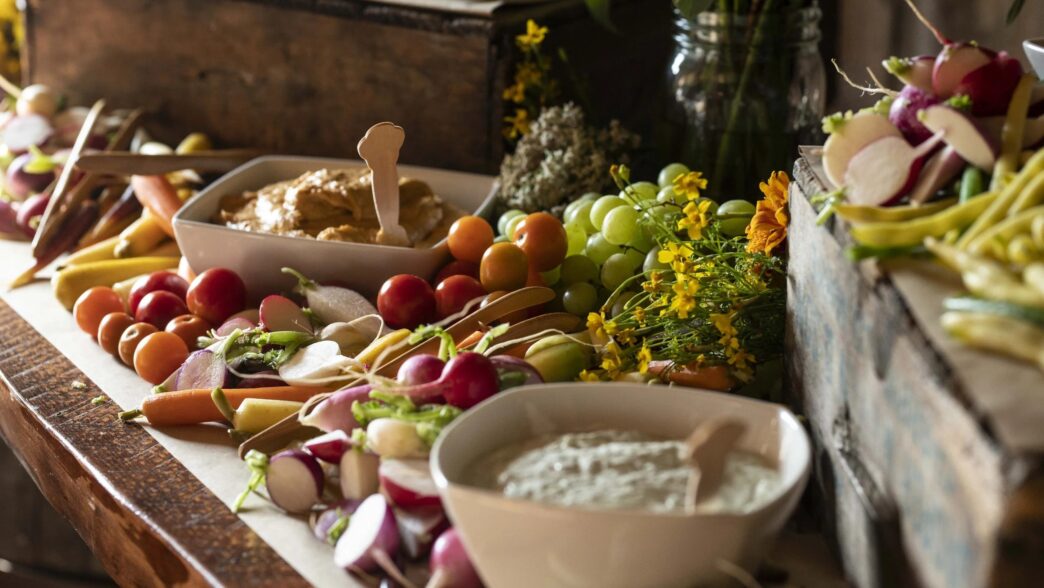
Durability is the focus of modern agriculture, not taste. Commercial varieties of tomatoes are bred to withstand long truck rides. They look absolutely perfect usually but taste bland as anything. Local sourcing lets chefs use delicate, flavourful heirloom varieties. Impossible for these delicate crops to survive a cross-country trip. Farmers pick them at the very peak of ripeness, and the taste difference is really amazing. Diners are getting the true flavour of the vegetables. It brings a deep sense of pleasure to the whole dining experience.
Chefs are also turning to forgotten sources of protein. Heritage cuts of meat are having a big comeback. Nose to tail cooking respects the animal and reduces waste. It also introduces diners to flavours that are incredibly rich and unexpected. Corned tongue grilled cheese suddenly showing up on trendy menus. People are surprisingly open to these adventurous options. They rely on the chefs to get these strange cuts just right. That reverence for origin is transforming our palates. We are learning to appreciate all the food that is available to us.
A Movement Away from Processed Convenience
Our fast-paced lifestyles have made us dangerously reliant on convenience foods. Producers added preservatives to products to artificially prolong their shelf life. These are usually highly processed and lack any real nutrition. This artificial diet directly contradicts the farm to table movement. Advocates believe those processed meals cause serious health problems. They point to increasing rates of heart disease and obesity. These are the same concerns raised by the European Union in its food strategy reports. People have a right to be concerned about what they’re putting inside their bodies.
So gut health is a huge focus right now. Consumers are looking for natural ferments and fibre-rich foods. Chefs are working ingredients like kimchi and kefir right into their recipes. Fermentation is a method of preserving seasonal abundance while dramatically increasing nutritional value. It’s an ancient technique being revived in modern kitchens. These practices are used to encourage the growth of very beneficial bacteria. The customers leave the restaurant feeling full, not stuffed. Food is finally being recognized as preventative medicine again.
The Climate Link
Food shipped around the world comes with a huge environmental cost. Shipping food thousands of kilometres produces large amounts of carbon emissions. Trucks and planes consume a great deal of fossil fuel. Locavores care passionately about cutting these damaging food miles. They really care about reducing the environmental impact of their food. Buying local drastically cuts transportation pollution. It’s a simple but very powerful way to combat climate change. Every meal we source locally is a small win for the planet.
Lots of local farmers are doing some seriously sustainable growing. Their focus is on soil health, not harsh chemical fertilizers. Regenerative farming puts carbon back into the earth. It’s a very optimistic answer to a daunting problem. These techniques keep local water supplies from being tainted by agricultural runoff. The diners want to support businesses that are good to the environment. Restaurants proudly list the names of their partner farms on their menus. This level of transparency builds a lot of incredible trust with the community.
The Future of Sustainable Dining
The surprising thing is the role technology is playing in this rustic movement. With digital menus, restaurants can instantly change what they offer. If a farmer runs out of carrots, the menu changes instantly. This reduces customer disappointment and overall kitchen chaos. Some places have advanced software to carefully track food waste. The data is analysed for better ordering in the future. It is a brilliant marriage of old-world values and modern efficiency and shows that technology simply makes the sustainable choice much easier to execute.
Farm-to-table is no longer a trend. It is fast becoming the standard of quality dining. Every single time they eat out, younger generations are voting with their wallets and are strongly supporting restaurants with transparent sourcing. The economic pressure forces larger chains to adapt, too. We’re building a more resilient, healthy food system, one step at a time. It’s such a comforting thing to see this cultural shift. The future of eating is looking very bright and extremely tasty.
Conclusion
The restaurant industry has definitely changed its values. We have moved from artificial convenience to genuine connection. Diners and chefs are teaming up to support local agriculture. This movement feeds our bodies but also protects the local environment. It connects communities and celebrates the real taste of nature. Now more than ever, the journey of our food matters. Finally, we are giving farmers the great respect they deserve. This is a culinary revolution that will last beautifully.