
Overview
- Understanding the shift away from traditional gym machines to everyday natural movement.
- Exploring the unique physical benefits of training for real life situations.
- How mental health improves through purposeful and highly practical exercise routines.
- The crucial role of community and shared struggles in modern fitness spaces.
- Looking at future trends and exactly why this movement is here permanently.
People are incredibly tired of just lifting heavy things in front of a mirror, they want to actually move better in their daily lives. We want bodies that can handle the unpredictability of the real world. We are seeing this shift everywhere from local parks to massive global fitness competitions. It makes total sense when you really think about it; we sit at desks all day long. Our bodies are literally screaming for natural movement. This guide explores the fascinating rise of functional fitness. It will show exactly why it has captured the attention of so many exhausted gym goers everywhere.
Breaking Free From The Machines
Traditional gyms are full of isolating machines. These machines lock you into one single path of motion. You sit down, push a lever, and repeat the process. But life absolutely doesn’t work like a leg extension machine, and people are finally starting to realize that truth. Think about when you pick up a heavy box of groceries from your trunk. Your entire body has to work together perfectly. Functional fitness mimics these exact real-world movements. It focuses on pushing, pulling, squatting, and carrying heavy objects. This smart approach builds a solid foundation of real strength. That strength translates directly into your everyday routine activities.
Interestingly, Soviet weightlifters back in the 1950s knew this secret. They were among the very first to prioritize this kind of full body synergy. They completely avoided isolated muscle growth. They knew a disconnected body was a weak body. Today, that exact same philosophy is sweeping through neighbourhood garages and boutique studios alike. People feel genuine concern about aging poorly. They are terrified of losing their physical independence. They want to be able to play with kids without throwing out their backs. Functional training offers a direct, practical solution to that very real human fear.
The Neurological Magic Of Movement
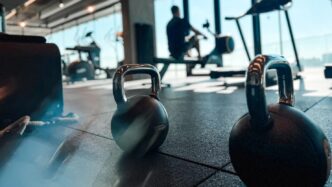
Working out isn’t just about tearing and repairing your muscle tissue. It’s heavily tied to your brain and your entire nervous system. Functional exercises demand intense mental focus, perfect balance, and sharp coordination. When you swing a heavy kettlebell or perform a farmer carry, your brain fires on all cylinders. This intense neurological engagement creates vital new pathways in your brain. Research from obscure sports science journals often highlights this fascinating fact. Complex movements actually improve cognitive function much better than stationary biking does. You are basically building a smarter brain while you build a stronger body.
Think about the current global conversation around mental longevity. People are deeply concerned about cognitive decline as they age. Functional fitness acts like a complex physical puzzle for your nervous system. You have to constantly adapt to shifting loads and highly unstable environments. It’s completely different from mindlessly running on a treadmill while watching television. Your brain stays actively involved the entire time which leaves you feeling incredibly sharp. This lasting mental clarity is a huge reason why professionals are ditching their traditional gym memberships. They want that extra mental edge in the boardroom.
Community Over Competition
There is a surprisingly emotional component to this massive fitness revolution. People are desperately craving real connection in our increasingly digital world. We spend hours staring at screens and feeling completely isolated. Functional fitness classes usually ditch the headphones and the vanity mirrors. Instead, participants face each other and share the profound struggle of the workout. Sweating through a gruelling sequence of burpees creates a deeply unique bond. It’s a shared vulnerability that you rarely find on a standard gym floor. You suffer together, and you triumph together.
Anthropologists often note that early humans evolved to move and hunt in tight groups. Modern functional training taps directly into that ancient tribal instinct. When a stranger cheers for you to finish your last heavy set, it triggers a powerful dopamine response. You are no longer just exercising alone in a dark, crowded room. You suddenly become part of a supportive network. This group genuinely cares about your personal physical progress. This profound sense of belonging keeps people coming back. It works long after their initial New Year motivation completely fades away.
Injury Prevention For The Real World
A major concern for anyone starting a fitness journey is the absolute fear of getting hurt. Ironically, avoiding complex movements often makes you much more prone to injury. If you only train your muscles in perfect isolation, your stabilizers become incredibly weak over time. Then, you step off a curb wrong and suddenly twist an ankle. Functional fitness strengthens the tiny ligaments and tendons alongside the major muscle groups. It prepares your vulnerable joints for unexpected shifts in weight and awkward directions. You become resilient.
Consider the mechanics of a simple Turkish get up exercise. This one movement requires immense shoulder stability, solid core strength, and fluid hip mobility. Leading physical therapists use variations of these exact movements. They use them to rehabilitate severe injuries in professional athletes. By incorporating them into a daily routine, you are essentially bullet-proofing your entire body. It prepares you against daily wear and tear. It’s a highly proactive approach to your physical health. People are finally realizing that feeling good is vastly more important than simply looking good in a swimsuit.
The Rise Of Minimalist Training
The recent global pandemic completely changed how we view our workout spaces. When large gyms closed down, people realized a crucial truth. They didn’t need rows of expensive, shiny equipment to get truly fit. A single heavy sandbag or a pair of dumbbells is actually enough. It can completely transform your physical capabilities. Functional fitness thrives heavily on this minimalist mindset. It proves that gravity and a little bit of open space are your best possible tools. This brilliant accessibility has opened the doors for millions of nervous beginners.
There is a truly fascinating historical parallel right here. Ancient Roman gladiators trained primarily using basic bodyweight exercises and heavy stones. They built elite athletic profiles without a single electrical outlet or fancy digital fitness tracker. We are currently seeing a massive cultural return to these primal roots. Modern fitness enthusiasts are filling cheap sandbags in their backyards. They are carrying them up local neighbourhood hills for exercise. This refreshing return to absolute basics is incredible. It feels amazing in an era dominated by screens and complex, frustrating technology.
Rethinking Aging And Longevity
Aging gracefully is a hot topic on almost everyone’s mind right now. Medical science is successfully keeping us alive much longer than before. However, the actual quality of those extra years is highly variable. The simple ability to get up off the floor unassisted is crucial. It’s actually one of the strongest predictors of long-term human longevity. Functional fitness directly targets these absolutely vital life skills. It preserves essential bone density and maintains crucial fast twitch muscle fibres. It also greatly enhances proprioception and basic spatial awareness.
Gerontology researchers have found some incredibly surprising data recently. They discovered that basic grip strength is a massive indicator of overall health in older adults. Functional movements like heavy deadlifts and pull ups naturally build this incredible grip strength. It isn’t about preparing for a silly bodybuilding stage. It’s about preparing to carry your own luggage through an airport. You want to do that effortlessly when you are seventy years old. This brilliant long-term perspective is fundamentally changing everything. Younger generations are now totally altering how they approach their current weekly workout routines.
Adapting To Modern Lifestyles
Time is arguably our absolute most precious commodity today. Most busy professionals simply can’t spend two hours a day at the gym. They don’t have time to isolate twelve different muscle groups. Functional workouts are notoriously efficient and incredibly fast paced. You can easily get a world class training session done in under forty-five minutes. By engaging multiple joints and muscle groups simultaneously, you maximize your effort. You burn more calories and build more strength in exactly half the time. This massive efficiency is a huge draw for busy parents.
Interestingly, the core concept of high intensity interval training is very old. It actually originated in the early twentieth century with elite Olympic runners. They desperately needed to maximize cardiovascular output. They wanted to do this without spending all day running on the dusty track. Today, that exact same philosophy is applied to modern functional movements. You get your heart rate up, challenge your muscles, and get back to your life. It completely removes the common excuse that you just don’t have enough time to exercise.
Conclusion
The explosive global growth of functional fitness is far more than just a passing trend. It represents a profound, lasting shift in how we truly value our bodies. We are rapidly moving away from superficial aesthetics. We are fully embracing raw, practical physical capability instead. Whether it’s carrying heavy groceries, playing with active children, or simply moving without pain, it matters. This smart approach offers tangible, real world rewards every single day. As our daily modern lives become increasingly sedentary, the stakes get higher. The absolute need for purposeful and dynamic movement will only continue to grow. Ultimately, building a resilient body that works for you is the best investment you can possibly make.