Overview
- Understanding why modern physical strain is on the rise and why expert help is needed.
- Finding the right qualifications and not just basic framed certificates.
- Evaluating the clinic environment and the first phone call experience.
- Recognizing the benefits of individualized exercise programs compared to passive machine therapy.
- Developing a communicative and effective therapeutic relationship based on trust.
Finding the right physical therapist is like looking for a needle in a haystack of medical jargon. The human body is incredibly complex. When pain strikes, the desperation for relief can lead to hasty decisions. A good practitioner does much more than just massage a sore muscle, they rebuild the foundation of movement. This article will guide the journey toward finding a true partner in physical recovery.
The Modern Epidemic of Aches
The shift toward remote work has completely reshaped our physical health over the last few years. Millions of people suddenly traded ergonomic office chairs for soft couches and kitchen stools. This sudden lifestyle change sparked a massive surge in chronic lower back and neck pain globally. It is deeply concerning to see so many young professionals developing conditions usually reserved for older generations. The need for skilled physical rehabilitation has literally never been higher.
Recent global events, including the athletic competitions of 2024, have also brought attention to the need for proper recovery. Viewers watched top competitors return from injuries that seemed impossible in days. That kind of rapid healing requires intense and highly specialized physical guidance. Most ordinary people do not have an Olympic medical team on standby. Finding a local expert who understands these advanced recovery principles is absolutely crucial for long term health.
Decoding the Qualifications
Not all physical rehabilitation experts are created equal. The profession actually has fascinating roots dating back thousands of years. Hippocrates famously used water therapy to treat joint pain in ancient Greece. Modern physiotherapy as a recognized profession only really began taking shape around 1914 in Montreal. Today the educational requirements are intensely rigorous and require deep knowledge of human anatomy.
It is very important to look past the framed certificates on the clinic wall. A truly spectacular practitioner usually engages in continuous education. They might read obscure publications like the Journal of Bodywork and Movement Therapies to stay updated. This indicates a curiosity about new techniques rather than just old textbook ways. Ask potential clinics if their staff regularly attend new seminars or training courses.
The First Phone Call Test
The journey to healing begins long before stepping foot inside a clinic. The very first interaction with the reception staff reveals a lot about the entire operation. A disorganized or overly rushed front desk often reflects the care happening in the treatment rooms. Pay attention to how carefully they listen to the initial complaint. They should ask thoughtful questions rather than just rushing to book a time slot.
There is a profound emotional component to seeking medical help. People in pain are often scared and feeling extremely vulnerable. A good clinic recognizes this fear and responds with immediate empathy over the phone. They will gladly explain their billing process and what to expect on day one. If the staff seems annoyed by basic questions, it’s probably best to hang up and call somewhere else.
Observing the Clinic Environment
Walking into a rehabilitation space should feel immediately reassuring. The layout of the clinic tells a very specific story about their treatment philosophy. Rows of identical beds separated only by thin curtains might indicate a high-volume approach. This often means less personal attention and rushed appointments. Complete physical exams typically necessitate private rooms devoted to quality care.
Take a close look at the equipment available in the main gym area. Fancy machines with flashing lights aren’t always a sign of superior care. Often the best practitioners rely on simple tools like resistance bands and free weights. An interesting fact is that muscle memory doesn’t actually live in the muscle tissue at all. It resides entirely in the brain and nervous system… which means retraining requires focused movement rather than just passive machine work.
The Assessment Phase
The initial evaluation is the most critical moment in the entire therapeutic process. A truly exceptional therapist will spend most of this first session just watching how the body moves. They won’t simply rush to rub the spot that hurts. Pain is often just a symptom of a mechanical failure happening somewhere else entirely. For example, knee pain is frequently caused by a weakness in the opposite hip.
Listen carefully to the questions asked during this first meeting. They should want to know about daily habits and specific sleep patterns. The Journal of Orthopaedic and Sports Physical Therapy frequently highlights how poor sleep drastically amplifies pain perception. If the therapist only asks about the specific injury and nothing else, they are missing the bigger picture. True healing requires understanding the entire human ecosystem.
Recognizing the Red Flags
There are several clear warning signs that a patient should look out for. One major red flag is the overuse of passive treatments like heat packs and electrical stimulation machines. These tools can feel wonderful and offer temporary relief from severe pain. However, they do absolutely nothing to fix the underlying mechanical problem. A practitioner who leaves patients hooked up to machines for half the session is wasting valuable time.
Another deeply concerning practice is the promise of quick fixes or guaranteed timelines. The human body heals at its own incredibly stubborn pace. Healing is rarely a straight line and setbacks are completely normal. If someone says they can cure you in three sessions flat, they’re probably more into sales than they are into healthcare. Honesty about the difficult road ahead is a hallmark of true medical professionalism.
The Importance of Homework
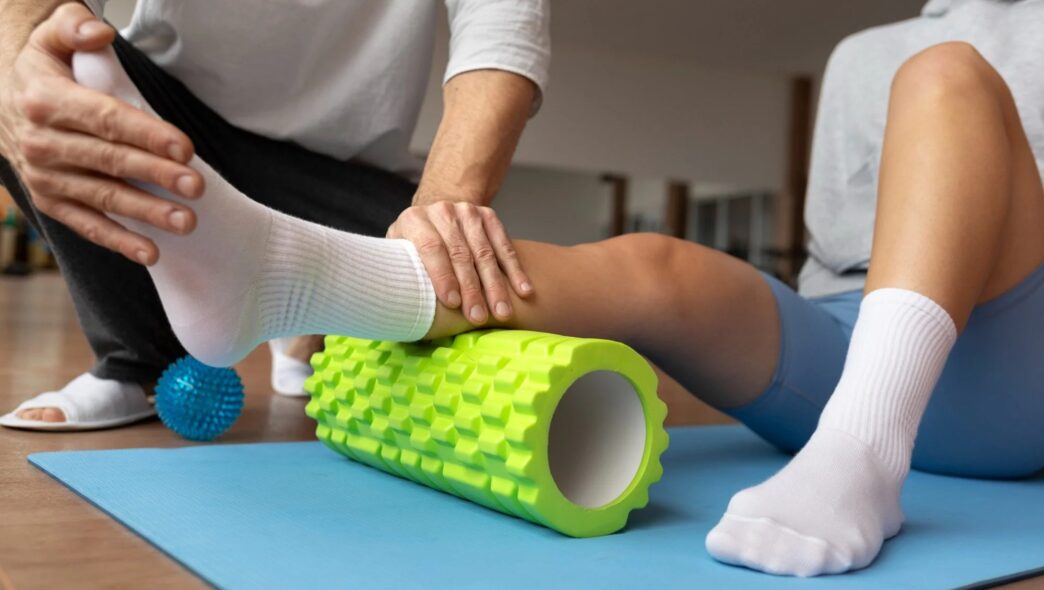
The magic of physical rehabilitation doesn’t actually happen on the treatment table. It happens in the living room while doing prescribed home exercises. A good therapist acts more like a teacher than a traditional healer. They provide the exact tools needed to rebuild strength independently. Patients who refuse to do their home exercises almost never see lasting improvements.
These home programs must be highly customized to fit a specific lifestyle. Handing out a generic sheet of photocopied stretches is a very bad sign. The exercises should mimic the exact movements the patient wants to return to doing. If a patient wants to return to gardening, the exercises should look like lifting pots and pulling weeds. Specificity is the ultimate key to rewiring the nervous system safely.
Tracking Progress and Adaptation
A stagnant treatment plan is a failing treatment plan. The human body adapts to physical stress remarkably quickly. What felt incredibly difficult during week one should feel completely manageable by week three. If the exercises aren’t getting progressively harder… the body will simply stop improving. The therapist must constantly measure strength and adjust the difficulty level.
Curiosity from the practitioner should remain extremely high throughout the entire process. They should constantly ask how specific movements feel on a given day. Studies in Physiotherapy Theory and Practice show that continuous patient feedback leads to vastly superior outcomes. If the professional just blindly follows the original plan without asking for updates, they are no longer paying attention. The plan must evolve as the tissue heals.
The Role of Communication
Understanding the complex science of pain is crucial for full recovery. The brain sometimes continues to sound the alarm long after the actual tissue damage has healed. A great physical expert will take the time to explain this weird neurological phenomenon. When patients finally understand why they hurt, their fear decreases dramatically. Lower fear literally translates to lower physical pain.
This type of communication requires a very specific bedside manner. The language used should be empowering rather than terrifying. Telling someone their spine is crumbling like a cookie is unnecessarily cruel and often factually wrong. Practitioners should use words that inspire confidence in the body rather than creating a sense of fragility. Words have a lot of power in the healing process.
Making the Final Decision
Choosing the right expert ultimately comes down to a feeling of deep mutual trust. The patient must feel completely comfortable asking silly questions or admitting when they skipped their exercises. This relationship is a partnership rather than a dictatorship. If there is a constant feeling of being rushed or dismissed, it’s time to move on. There is absolutely no shame in seeking a second opinion.
Finding this perfect fit might take a little bit of trial and error. Don’t be discouraged if the first clinic visited doesn’t feel quite right. The effort spent searching will pay massive dividends in the future. A healthy and pain free body is the foundation for a truly joyful life. Keep looking until that perfect therapeutic match is found.
Conclusion
It takes patience and a real eye for detail to navigate the complicated world of physical rehabilitation. The right practitioner will have deep anatomical knowledge, real empathy and clear communication. They will work with the body and respect its current limitations. Ask questions and look around. The greatest reward is to be free again, to move freely through life.