Overview
- Understanding the different types of ear piercings available today.
- Selecting the right studio & professional piercing studio in South Africa.
- Find out about the healing process and the strict aftercare that is needed.
- Learn interesting facts and cultural history related to body art.
- Examining jewellery trends today and choosing jewellery that is safe to wear.
Piercing your ears is a very exciting thing. It’s a mixture of excitement and apprehension. People have decorated their ears for thousands of years. The practice is more popular now than ever before. Whether you want a simple lobe stud or a complex cartilage arrangement, knowing what to expect helps immensely. The South African piercing scene is currently booming with incredible talent. This guide will walk through everything you need to know. You will be fully prepared before sitting in the piercer’s chair.
The Ancient Roots of Body Art
It’s fascinating to think about how long humans have modified their bodies. Archaeologists actually discovered mummies from over five thousand years ago with stretched earlobes. Piercing was often a mark of high status. It also provided spiritual protection in various ancient cultures. The cultural importance of body jewellery still runs deep in many communities in South Africa today. It isn’t just a fleeting modern trend.
Many of the modern traditions of piercing have their roots in these ancient practices. A freshly pierced helix may be a fun fashion statement today. But it is based on practices that meant something very deep to our ancestors. Exploring this history adds a beautiful layer of meaning to your new jewelry. It connects you to a truly global human tradition spanning thousands of years.
Popular Placements Taking Over
Choosing the right spot for your new jewellery is definitely exciting. The standard lobe piercing remains the classic choice for beginners everywhere. It hurts the least and heals the fastest. But people are getting incredibly creative with their ear curations lately. You don’t have to stick to just one simple hole anymore.
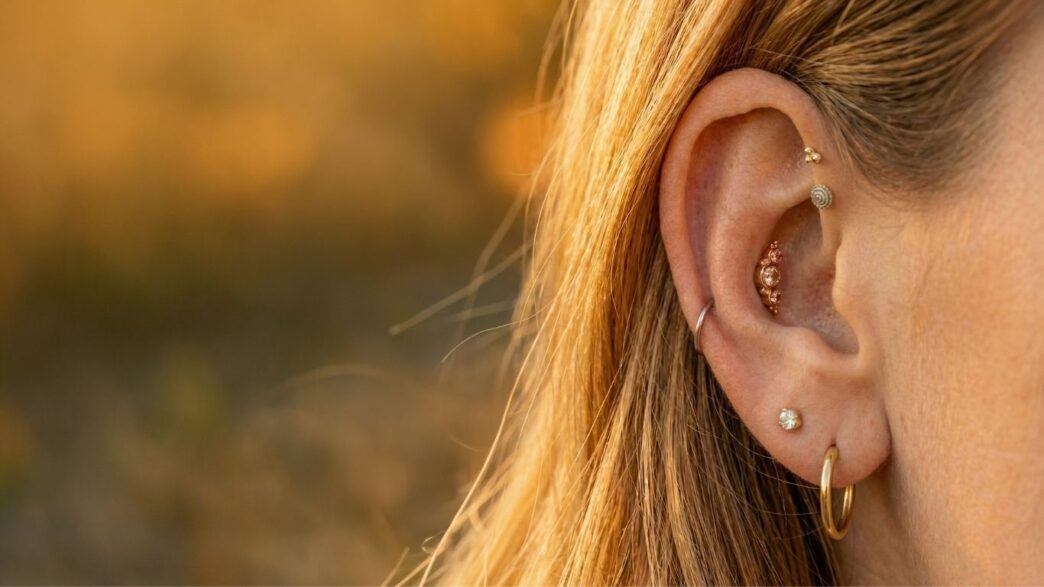
Cartilage piercings are completely dominating the current style scene. The helix, tragus, and conch are highly requested at studios across Johannesburg and Cape Town. Each placement offers a totally different vibe. A curated ear with multiple delicate studs looks both elegant and slightly edgy. It creates a completely customized look for your ear anatomy.
Finding the Perfect Studio
Safety should always be your absolute top priority when looking for a piercer. You might feel tempted to visit a cheap kiosk at the local mall. Please avoid those places entirely, they are really bad news. Piercing guns cause unnecessary blunt force tissue damage. They are also notoriously difficult to sterilize properly.
Instead, look for a dedicated body modification studio. Check if the piercer is registered with a reputable health association. A good studio will happily show you their sterilization equipment. They will also open single use needles right in front of you. Your personal health isn’t worth saving a few Rands.
Browse piercing studios near you on FindMy compare studios and find contact details before deciding where to get your piercing.
The Nervous Energy Beforehand
It’s completely normal to feel a bit anxious before getting pierced. Even people with multiple piercings still get butterflies in their stomach. The fear of pain is usually much worse than the actual experience. A sharp pinch and some pressure are typically all you will feel. The anticipation is truly the hardest part.
A professional piercer knows exactly how to handle nervous clients. They will guide your breathing and help you relax during the procedure. Eating a good meal beforehand helps stabilize your blood sugar. Taking a close friend along can also provide some wonderful moral support. You will be done before you even realize it.
Understanding the Healing Journey
Patience is a massive virtue when waiting for a new piercing to heal. Lobe piercings generally take about six to eight weeks to settle down. Cartilage piercings are a completely different story entirely. They can take up to a full year to heal on the inside. You cannot rush the human body.
Your body views a piercing as a fresh wound requiring constant attention. You might experience some swelling, redness, and crusting during the first few weeks. This is usually just the body doing its natural healing work. However, excessive throbbing pain should definitely raise some concern. Always consult your piercer if you feel worried about the healing progress.
Navigating Aftercare Requirements
Proper aftercare is the absolute secret to a beautiful and healthy piercing. Your piercer will likely recommend a sterile saline spray for daily cleaning. Forget about using harsh chemicals like rubbing alcohol or hydrogen peroxide. Those strong substances will only severely irritate the delicate healing tissue. They destroy the new cells your body is trying to build.
Consistency is truly the key to avoiding nasty infections. Gently spray the area twice a day and leave it alone. Touching the jewellery with dirty hands introduces harmful bacteria. Sleeping on a travel pillow can cleverly prevent pressure on a new ear piercing. It keeps your ear floating nicely while you rest.
Selecting the Safest Metals
Choosing the right jewellery material is absolutely crucial for a fresh piercing. Implant grade titanium is currently the gold standard in the global piercing industry. It is highly biocompatible and very rarely causes any allergic reactions. Many top South African studios now use titanium exclusively for initial piercings. It’s incredibly safe and lightweight.
Surgical steel is another common option, but it often contains trace amounts of nickel. Nickel allergies are incredibly common and cause severe skin irritation. Solid fourteen karat gold is a luxurious and safe choice for a warmer tone. Just avoid cheap fashion jewelry until the piercing is completely healed.
Fascinating Piercing Facts
There are some truly bizarre and interesting facts about ear piercings throughout history. Did you know that sailors used to get their ears pierced for practical reasons? If their body washed ashore, the gold earring would cover the funeral costs. It is a slightly morbid but highly practical maritime tradition. History is full of these weird little details.
Another interesting tidbit involves the daith piercing and chronic migraines. Some people believe that piercing the daith can cure severe headaches. It supposedly targets a specific acupressure point in the ear. Medical research hasn’t proven this yet, but the anecdotal evidence is quite intriguing. Many migraine sufferers swear by this particular piercing.
Managing Price Expectations
Quality body art is definitely an investment in your appearance and overall health. Prices in South Africa vary greatly depending on the studio and the jewellery. A basic lobe piercing might cost around three hundred Rand. Complex cartilage work will naturally carry a much higher price tag. You are paying for a highly specialized skill.
The cost of the jewelry itself often makes up the bulk of the final price. High quality titanium or solid gold pieces are never cheap. Remember that you are paying for expertise, sterile equipment, and safe materials. Trying to find the cheapest option usually ends in deep regret and medical bills.
Trends in the Local Scene
The piercing industry in South Africa is constantly evolving and pushing creative boundaries. We are seeing a massive shift towards delicate, fine jewellery curations. People want multiple tiny gems rather than large, clunky rings. Asymmetrical ear styling is also incredibly popular right now across the country. Nobody wants perfectly matching ears anymore.
Many professionals are taking a much more anatomical approach to ear styling today. They look at the unique shape of your ear and suggest flattering placements. This highly personalized service makes the final result look cohesive and deliberate. It’s a really exciting time to explore body art in this beautiful country.
What to Do When Things Go Wrong
Sometimes things do go slightly wrong despite your absolute best efforts. A small bump might mysteriously appear right next to the jewellery. This is usually just an irritation bump caused by friction or a poor angle. It isn’t necessarily a dreaded keloid scar, which people always fear. Don’t panic right away.
Your first step should always be to visit your professional piercer for advice. They have seen it all before and can recommend the best course of action. Removing the jewellery yourself might accidentally trap an infection inside the skin. Keep the jewellery in place and let a professional assess the situation.
Conclusion
Understanding the healing process and choosing a reputable studio sets you up for absolute success. The South African piercing community has amazing knowledge and gorgeous jewellery choices. Take your time, take care of yourself and enjoy your beautiful new body art.