Overview
- Exploring the unique geological formations of the ancient escarpment.
- Understanding the fast-changing and sometimes dangerous mountain weather patterns.
- Experience the rich history of San rock art and ancient cultures.
- Seeing rare alpine plants and unique wildlife found nowhere else.
- Preparing for the realities of altitude sickness and hiking safety.
Drakensberg is a place that commands respect and absolute awe. The basalt peaks loom across the horizon like a sleeping giant. These magnificent mountains are often underestimated in sheer scale. Recent travel spikes in 2026 show a crowd of visitors rushing to these remote areas in search of unspoiled wilderness. But this beautiful wilderness holds secrets that require careful preparation and a healthy dose of caution.
A Geological Masterpiece
These mountains aren’t just tall. They’re ancient. A study from the Geological Society of South Africa notes the basalt caps are over 180 million years old. Volcanic eruptions shaped this entire landscape during the Jurassic period. It’s hard not to feel incredibly small when staring up at such ancient history.
The sheer cliffs drop away into rolling sandstone valleys below. You might feel a sense of overwhelming wonder standing on the edge. The Drakensberg escarpment forms a natural border between South Africa and Lesotho. It creates a striking visual contrast that leaves most visitors completely speechless.
Weathering the Dragon
Mountain weather is notoriously fickle here. A clear morning can quickly morph into a severe afternoon thunderstorm. Ezemvelo KZN Wildlife rangers constantly warn visitors about sudden temperature drops. Recent climate data shows weather patterns are becoming even more unpredictable, making preparation absolutely essential.
Summer brings spectacular lightning shows that dance across the peaks. However, winter often cloaks the high altitudes in thick snow. Packing extra layers is a necessity regardless of the season. Never assume the sky will remain blue just because it started that way.
Echoes of Ancient Artists
The caves here hold a silent and profound history. Thousands of San rock art paintings decorate the sandstone overhangs. The Rock Art Research Institute highlights that some paintings date back over three thousand years. It brings a deep sense of reverence to any hiking trail.
These pieces illustrate hunting trips and spiritual journeys. In their culture the eland is a very important sacred animal. The faded pigments give one a sense of connection with the distant past. Seeing these faded pigments evokes a powerful connection to the distant past. Visitors must remember to never touch the incredibly fragile rock surfaces.
Flora Found Nowhere Else
Botanists consider this region a treasure chest of unique biodiversity. The Alpine Botanical Journal recently documented several new endemic plant species here. Over two thousand plant types thrive in these high-altitude grasslands. Many of these delicate flowers exist nowhere else on the entire planet.
Spring transforms the valleys into a vibrant tapestry of bright colour. Rare orchids lie hidden among the tough grasses of the mountains. I’m really impressed with how resilient these plants are. They endure the severest frosts and the hottest days of summer with remarkable ease.
Preparing for Altitude
Altitude sickness is a real concern for overly ambitious hikers. The peaks regularly exceed three thousand meters above sea level. Medical journals emphasize acclimatization before tackling the highest summits. Pushing too hard too fast can ruin a perfectly planned mountain trip.
Symptoms often start as a mild headache or slight nausea. It’s vital to listen to your body and rest when needed. Drinking plenty of water helps combat the dizzying effects of thin air. There’s no shame in turning back if the altitude feels overwhelming.
The Amphitheatre Scale
Nothing prepares you for the sheer size of the Amphitheatre. This iconic rock wall stretches for five kilometres across the sky. Topographical records confirm its cliff face is roughly one thousand meters high. It truly looks like an ancient fortress built by the gods.
Hiking to the top via the chain ladders is a legendary experience. The view from the summit brings a rush of pure adrenaline. Tugela Falls plunges over the edge in a spectacular display of gravity. It’s widely considered the tallest unbroken waterfall on Earth.
Waterfalls and River Crossings
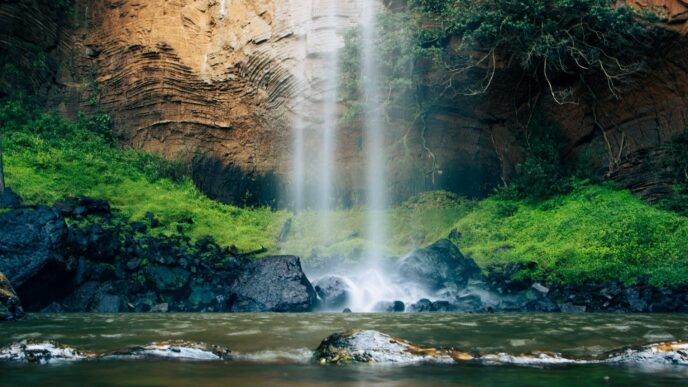
Water shapes everything in this rugged mountain range. Countless streams had worn deep gorges out of the ancient yellow sandstone. Hydrological studies emphasize the primitive character of these upper mountain catchments. The water itself is often clean enough to drink straight from the source.
However, river crossings demand careful attention during the rainy summer months. Flash floods can turn gentle streams into raging torrents without any warning. Always check local trail conditions before setting out on a long hike. A sturdy pair of waterproof boots is always a wise investment.
Community and Conservation
The mountains are deeply connected to the surrounding local communities Eco tourism initiatives provide vital income to villages bordering the park. The Maloti Drakensberg Transfrontier Project tirelessly works in protecting this delicate ecosystem. The inclusion of local guides adds a lot of cultural value to the overall experience.
These guides tell stories and folklore that ordinary guidebooks do not mention. They know rocky ground like no one else, and it is very comforting. Visitors’ park entry fees and responsible tourism practices are essential for conservation efforts. Leaving no trace ensures this paradise remains intact for future generations.
A Hiker Paradise
Trails cater to every conceivable level of fitness and outdoor ambition. Families can enjoy gentle strolls through lush indigenous fern forests. Hardcore mountaineers can tackle multi day traverses across the high escarpment. There’s a path waiting for absolutely everyone who visits.
Navigation requires skill since many high-altitude routes remain completely unmarked. Carrying a reliable map and compass is highly recommended by rescue teams. GPS devices are great, but batteries drain incredibly fast in the bitter cold. A little old fashioned navigation skill goes a very long way.
Wildlife Encounters
Animal sightings add a thrill to any steep mountain excursion. Baboons bark from the cliffs while eland graze peacefully in the valleys. The Endangered Wildlife Trust closely monitors the rare bearded vulture population here. Spotting one of these magnificent birds dropping bones is incredibly rare.
Leopards still roam the deep kloofs though they remain exceptionally elusive. Most hikers only ever see their faint tracks in the soft mud. Smaller creatures like the mountain reedbuck are far more common. Observing these wild animals in their natural habitat brings immense joy.
Unpredictable Snowfalls
Winter transforms the landscape into a stunning frozen wonderland. Snow can blanket the highest peaks from May through to late August. Climatology reports note that severe blizzards occasionally trap totally unprepared hikers. The beauty of the snow hides a very real physical danger.
Crisp winter air offers the clearest views of the entire year. Photography enthusiasts brave the freezing temperatures for that perfect golden sunrise shot. Proper thermal gear and insulated sleeping bags are completely non-negotiable. The biting cold is easily managed with the right specialized equipment.
Stargazing at its Best
Nighttime reveals a completely different kind of natural magic. The stars twinkle so bright, with no light pollution to dim their light. Its skies are often commended by the Astronomical Society for their darkness. The Milky Way is overhead in stunning astronomical clarity.
Sitting by a fire under the stars brings a deep peace. It puts the chaos of modern city life into sharp perspective. You can often spot satellites tracing slow glowing lines across the sky. It’s the perfect end to a long day of steep climbing.
Local Myths and Legends
Mountains always inspire incredible folklore and fascinating local myths. Zulu legends speak of giant serpents living in the deep winding rivers. Anthropological archives suggest these stories served to keep children away from dangerous waters. The mystery surrounding these old tales adds a layer of eerie intrigue.
The local guides love to tell these haunting stories around the campfire in the evening. The wind roars through the rocky gorges, bringing the myths to life. It ignites a childlike wonder in even the most sceptical adult listener. These cultural stories are as important as the known geological facts.
Choosing the Right Region
The mountain range spans a truly massive geographical area. The Northern Berg offers dramatic cliffs and famous sights like the Amphitheatre. Travel analysts note the Central Berg is far more popular for family resorts. Each section provides a completely different atmosphere for curious visitors.
The Southern Berg remains the most remote and rugged section available. It appeals heavily to introverts seeking total isolation and incredibly quiet trails. Deciding where to go is the very first step in planning. Researching each specific valley ensures the trip matches your exact wilderness expectations.
The Famous Sani Pass
Driving up Sani Pass is certainly not for the faint of heart. It’s a notoriously steep gravel road connecting South Africa directly to Lesotho. Transport engineers consider it one of the most treacherous routes in the country. A four-wheel drive vehicle is legally required to attempt the gruelling climb.
The reward at the top is absolutely spectacular in every way. You’ll find the highest pub in Africa waiting for you at the summit. Sharing a warm drink while overlooking the sweeping valleys is totally surreal. It’s a beautiful triumph of modern engineering and sheer human willpower.
Conclusion
The Drakensberg remains a wild and untamed corner of the modern world. It challenges visitors physically while rewarding them with completely unmatched natural beauty. The true magic of these towering ancient peaks is revealed with proper preparation. A journey to these mountains leaves a lasting impression on the human soul.