Have you ever found yourself gripping the steering wheel a little tighter on a rainy evening in Johannesburg, wondering if your car has your back when the unexpected happens? Trust me, you’re not alone. In a country where traffic congestion meets unpredictable weather—plus the occasional pothole that feels like it could swallow your tire whole—thinking about safety features isn’t just a checklist item. It’s a genuine concern for anyone hitting the road. In this guide, I want to walk you through the top five safety features you should look for when buying a car in South Africa, so that your next ride has you covered from every angle.
Now, I’m not saying you should wrap yourself in bubble wrap and drive 20 km/h everywhere (though there’ve been times I’ve been tempted). But what I’ve learned from both personal mishaps—like the time a reckless minibus taxi nearly sideswiped me—and broader industry research is that technology can be a real lifesaver. So, let’s dive right in, starting with why these features matter in the first place.
Why Safety Features Really Matter
Accident Prevention
Modern cars are practically brimming with clever gadgets. From sensors that spot obstacles before you do to alerts that warn you when you drift out of your lane, technology can help you avoid crashes in the first place. According to a 2023 research report by the Council for Scientific and Industrial Research (CSIR), vehicles equipped with advanced safety tech can reduce certain types of accidents by up to 40%. That’s not a small number, and it could be the difference between a close call and a fender-bender.
Protection for Occupants
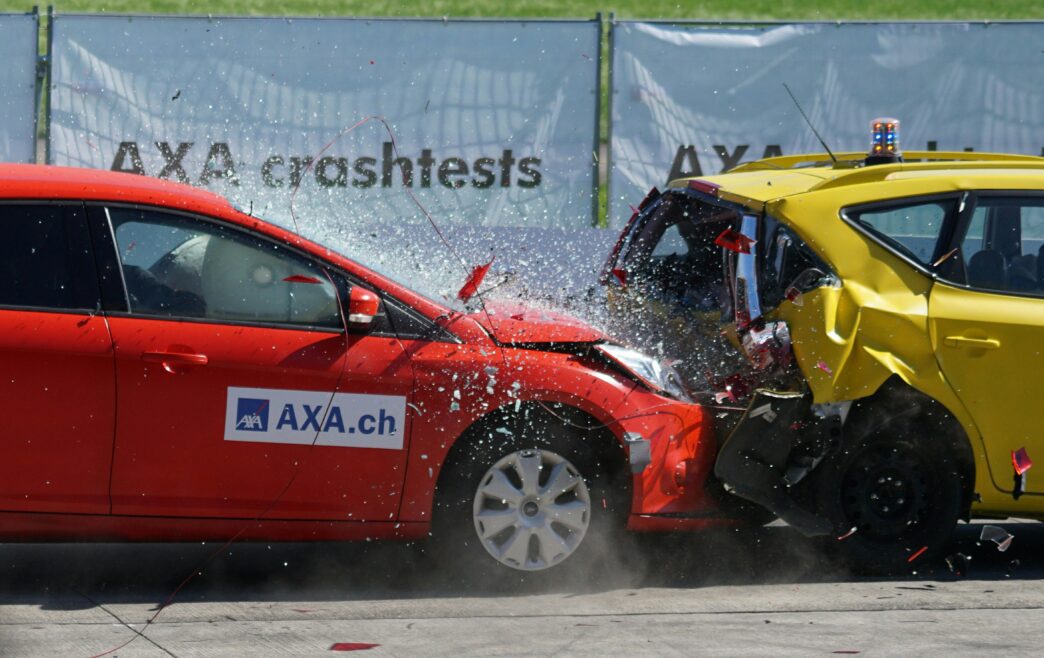
We can’t always dodge every hazard, no matter how skilled or cautious we are. Sometimes, accidents just… happen. And when they do, you want your car to protect the folks inside, whether that’s you, your friends, or your family. If there’s one thing I’ve learned from watching crash test videos, it’s that a well-placed airbag can truly be a lifesaver.
Insurance Perks
Ever felt that sting when you get your car insurance bill in the mail? One perk of owning a vehicle with strong safety credentials is that insurers often reward you with lower premiums. This is especially true in areas like Gauteng, where accident rates can run high. Trust me, saving a little money each month on insurance can make a real difference in the long run… especially when fuel prices keep sneaking up.
Peace of Mind
Then there’s the emotional side of things—simple peace of mind. Even if you’re just zipping down to the local shop, there’s something comforting about knowing your car is actively watching out for trouble. When your vehicle has state-of-the-art safety features, you don’t have to sweat the small stuff (like a pothole-laden side street) quite as much.
1. Advanced Driver Assistance Systems (ADAS)
What is ADAS?
Ever hear those little beeps telling you you’re drifting off the lane or you’re too close to the car in front? That’s ADAS at work. These systems, which include features like Lane Departure Warning (LDW), Adaptive Cruise Control (ACC), and Automatic Emergency Braking (AEB), act like a friendly co-pilot. They won’t judge you for blasting your music a bit too loud, but they will step in if you’re about to make a not-so-great move on the road.
Why It Matters
South Africa’s roads aren’t always predictable—think of those sudden transitions from smooth tar to gravel, or even surprise sinkholes in certain provinces. ADAS can literally help you steer clear of collisions. Studies from the International Transport Forum highlight that cars with ADAS have significantly fewer severe accidents, which is especially relevant given the country’s diverse driving conditions.
Top Recommendations
If you’re eyeing a Toyota RAV4 or a Volkswagen Tiguan, you’re in luck—they come with robust ADAS suites that can give you an extra layer of protection. Personally, I’ve been quite impressed with how these systems can correct minor lane drifting. It’s like having a vigilant passenger who’s infinitely patient and never needs a coffee break.
2. Anti-Lock Braking System (ABS)
What Is ABS?
Remember being taught during your learner’s test to “pump the brakes” in an emergency? Well, ABS does that for you automatically. It prevents the wheels from locking up when you slam on the brakes, keeping you in control of steering.
Why It Matters
In places like Cape Town, where the rains can be torrential one minute and gone the next, roads become slippery fast. ABS makes sure you don’t go skidding into the car in front of you when traffic comes to a screeching halt on the N1. It’s no surprise that the Automobile Association of South Africa puts ABS high on their list of essential safety features. After all, nobody wants to play bumper cars in real life.
Top Recommendations
Most cars these days come standard with ABS, but it’s still wise to confirm. Models like the Ford EcoSport and Hyundai Creta have pretty solid braking systems. I’ve personally tested an EcoSport on a wet highway, and the difference between ABS-equipped and non-ABS vehicles is like night and day—you actually feel a sense of calm, even when slamming on the brakes.
3. Airbags
What Are Airbags?
Airbags are those puffy little (well, not so little) cushions that deploy during a collision. They reduce the impact on your body, keeping you from launching face-first into the steering wheel or side door.
Types of Airbags
- Front Airbags: Protect the driver and front passenger in head-on collisions.
- Side Airbags: Activate from the sides to shield your torso in a side-impact crash.
- Curtain Airbags: Drop down from above to protect your head, especially in rollovers.
Why It Matters
While South Africa’s roads can be fun and scenic—imagine a weekend drive along the Garden Route—they can also be fraught with risks. Having multiple airbags means your entire family (including that friend who always dozes off in the backseat) gets some added protection. Considering the Road Traffic Management Corporation records thousands of road-related injuries yearly, it’s reassuring to know you’ve got more than just a seatbelt between you and potential harm.
Top Recommendations
Check out the Honda CR-V or Nissan Qashqai if you’re after solid airbag coverage. These models often include side and curtain airbags as standard, which could be a big deal in an emergency. A neighbor of mine swears her CR-V saved her life when she was hit broadside at an intersection—side airbags softened the blow considerably.
4. Traction Control and Electronic Stability Control (ESC)
What Are They?
- Traction Control: Prevents wheel spin when you accelerate, especially on slippery surfaces.
- Electronic Stability Control (ESC): Detects when you’re losing control and automatically applies braking to specific wheels, helping you avoid fishtailing or rolling over.
Why It Matters
South Africa offers up a smorgasbord of terrain: smooth city roads, rural gravel paths, and occasionally mud-splattered routes if you venture out in the rainy season. If you’ve ever been on a weekend getaway in the Drakensberg, you know how quickly traction can go bye-bye on those winding mountain passes. Traction control and ESC help keep your car grounded and reduce the odds of taking an unplanned detour into a roadside ditch.
Top Recommendations
Vehicles like the Mazda CX-5 and Subaru Outback are known for their stability features. These systems really shine when conditions get tough—perfect if you love the outdoors or have to traverse less-than-ideal roads regularly.
5. Rear-View Camera and Parking Sensors
What Are They?
- Rear-View Camera: Gives you a live video feed of what’s behind your car when reversing.
- Parking Sensors: Emit beeps or flashing lights to warn you about obstacles in your path.
Why It Matters
City driving in South Africa can be hectic, especially in spots like Sandton or the Cape Town CBD, where you feel like you’re squeezed tighter than a sardine in a tin. A rear-view camera saves you from backing into that hidden pole (or worse, a passing pedestrian). Meanwhile, parking sensors act like an extra set of eyes—or ears, I guess—to keep you from scraping up against curbs or parked cars.
Top Recommendations
The Kia Sportage and Toyota Corolla usually include both rear-view cameras and parking sensors. If you’re someone who parallel parks on the daily, trust me, you’ll thank yourself for having these. Think of it as your own personal “guardian angel” for bumper scuffs.
Extra Thoughts on Emerging Tech and Local Challenges
Just when we thought car safety features couldn’t get more sophisticated, emerging tech has started rolling in like an afternoon thunderstorm. Things like driver drowsiness detection and even real-time tire pressure monitoring aren’t as niche as they used to be—some up-and-coming automakers are already testing them right here in Mzansi. I recently read an article from the Southern African Institute for Road Safety Innovation (SAIRSI) that highlighted how these new solutions could cut severe accidents even further by predicting a driver’s loss of focus before it happens. Imagine your car nudging you with a soft alert if it senses you’re nodding off on the N3 after a long day’s work. It’s not sci-fi anymore; it’s reality knocking on our doors. Of course, rolling out these features broadly depends on factors like local infrastructure, public acceptance, and good ol’ supply-and-demand, but it’s heartening to see progress that aims to keep us safer on the blacktop. And if you’re among those brave souls navigating rural routes or potholed city streets, these advanced tools could be the calm voice in the storm—reminding you when it’s time to take a break or even suggesting alternative routes to dodge that crater-like pothole near your house.
Local Thought
On a more local note, there’s also talk of stricter enforcement around roadworthiness—officials in certain municipalities are floating the idea of more frequent vehicle inspections. While that might feel like an inconvenience to some, it’s a sign that authorities are finally acknowledging how unchecked mechanical faults can turn everyday travel into a white-knuckle ride. If these measures move forward, we might see more rigorous checks on brakes, tires, and electronic systems—basically forcing everyone to be on top of basic maintenance. Personally, I think that’s a good thing, especially in a place where a single distracted driver can ruin somebody’s day. Seeing that focus on safety at the policy level, paired with the advances in automotive tech, gives me hope that one day we might actually see fewer accidents and smoother commutes. Wouldn’t that be something to look forward to… especially if it means you can get from Joburg to Pretoria without feeling like you’ve survived a gauntlet by the time you arrive?
Wrapping It Up
Here’s the bottom line: South Africa’s roads can be both exhilarating and challenging. Maybe you’re road-tripping to the Wild Coast, or just braving morning traffic on the M1—either way, the right safety features can give you that extra layer of protection (and a little less tension in your shoulders). From Advanced Driver Assistance Systems that act like a second set of eyes to airbags that cradle you in a crisis, these technologies exist to make driving safer and less stressful.
Before you sign on the dotted line for your next car, take a moment to think about which safety features truly matter to you. Consider how each piece of tech—whether it’s traction control for off-road adventures or a rear-view camera for urban commutes—can align with your lifestyle. Believe me, it’s so much easier to relax and enjoy the ride when you know you’ve done your due diligence. After all, safety isn’t just about ticking boxes; it’s about taking care of yourself and everyone else who steps into your car. And hey…who doesn’t want that comforting sense of security, no matter where the road may lead?
Go on, keep these five features in mind, and make the smartest, safest choice you can. Your future self (and your passengers) will thank you the next time you hit that open road.