Overview
- The historical shade growing process created a rare biochemical profile.
- L theanine and caffeine combine to give you sustained energy without the jitters.
- Green powder became a cultural icon with viral social media trends.
- Japan’s exports surged sharply in 2025 as global demand picked up.
- Shortages in agriculture are forcing consumers to rethink their consumption habits.
A vibrant green drink seems to be everywhere right now. People are carrying iced green lattes down every city block. It feels like a sudden trend, but it really isn’t. This ancient powder has a deep history colliding with modern culture. The obsession makes total sense when looking at the underlying facts. Something profound is happening in cafés and kitchens around the world. It’s a great story of biochemistry, agriculture and digital aesthetics.
The Historical Underpinnings
Matcha wasn’t meant to be a casual morning drink. It started as a very specific medicinal beverage. Zen Buddhist monks used it to stay awake during long meditation sessions. The preparation from the beginning required great dedication and precision. Farmers started shading the tea plants weeks before the harvest. This ancient technique severely restricted sunlight reaching the leaves. It forced the plants to overproduce chlorophyll and amino acids.
The resulting chemical composition proved to be completely unique. It created an intensely green leaf called tencha. These leaves were then stone ground into a fine powder. This method means the drinker consumes the entire leaf. It’s a massive departure from standard steeped teas. The historical archives of Zen master Eisai document these early health revelations. The ancient texts literally praise the powder as an elixir for longevity.
The Biochemical Magic
The real secret lies in a very specific amino acid. L theanine is a rare compound found almost exclusively in tea. It has a fascinating interaction with caffeine in the human body. Most caffeinated drinks cause a rapid, stressful spike in energy. This spike is usually followed by an inevitable and exhausting crash. People are tired of the anxiety associated with regular coffee. They crave sustained focus instead of nervous jitters.
Matcha delivers exactly what tired professionals are seeking today. The L theanine slows the absorption of caffeine into the bloodstream. A fascinating study from the Journal of Functional Foods detailed this exact synergy. It showed how the combination promotes an alert yet relaxed state. This biochemical reality is driving a massive consumer shift. People feel better when they drink it, it is just that simple. The cognitive benefits are completely impossible to ignore.
A Changing Agricultural Landscape
The surge in demand is completely transforming Japanese farming. In 2025, Japan experienced a staggering 42 percent increase in green tea exports. The total export value basically doubled to 84.7 billion yen. The Ministry of Agriculture Forestry and Fisheries confirmed these shocking statistics. Farmers are desperately trying to keep up with global orders. They’re rushing to convert regular tea fields into shaded tencha plots. This rapid conversion is causing a lot of concern locally.
This agricultural pivot comes with significant long-term consequences. The focus on powdered tea is creating a shortage of regular steeped tea. Japan has lost thousands of farmers to retirement over the last twenty years. There simply aren’t enough young farmers stepping in to replace them. Heatwaves in 2024 further damaged the delicate spring harvests. Growing the perfect leaf requires absolutely perfect weather conditions. The global appetite is pushing the agricultural system to its absolute limit.
The Ripple Effect
The raw material shortage is causing absolute chaos in the supply chain. Prices at wholesale auctions have reached historical, unprecedented highs. Some premium lots actually doubled in price during the spring 2025 harvest. This inflation forces cafes to make some very difficult choices. They must either raise prices or settle for lower quality ingredients. Many popular brands are struggling to maintain their basic profit margins. The stress on the sourcing floor is very real, and it’s growing.
Consumers are finally noticing these shifts at the grocery store. High quality tins of green powder are getting much more expensive. A true ceremonial grade product requires meticulous, intensive human labour. It simply cannot be rushed or artificially replicated in a lab. The current market dynamics are actively weeding out the cheapest options. Connoisseurs are learning the true cost of authentic agriculture. Those days are long gone. Premium powder used to be cheap.
The Visual Aesthetic
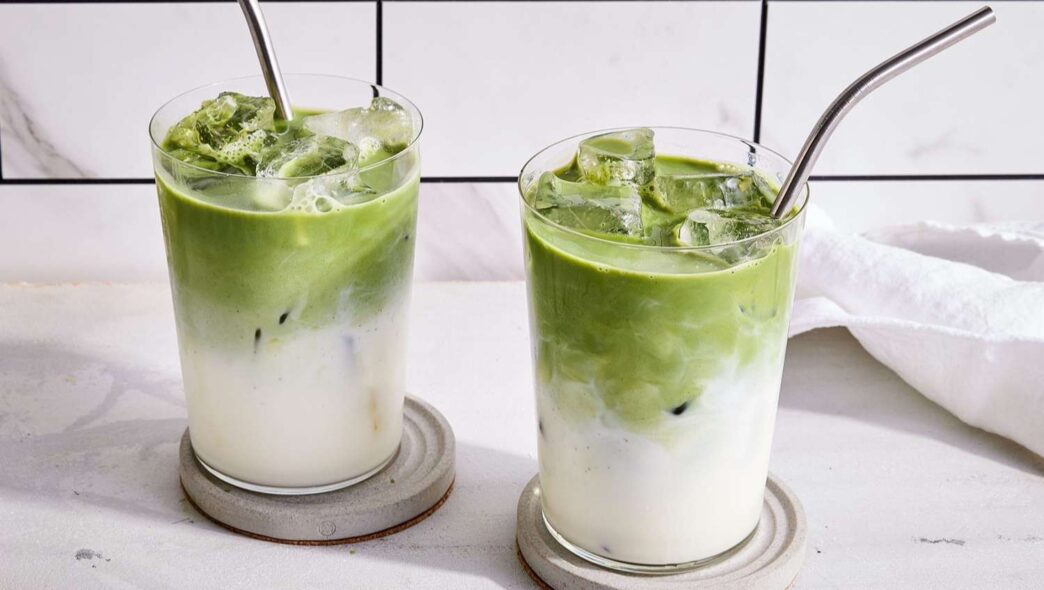
You can’t argue with the visual punch of this drink. The bright green is an absolute magnet for human eyes. It looks great on smartphone screens and social media feeds. A beautifully poured green latte is the digital status symbol of the moment. It conveys health and sophistication in one simple image. Every day, millions of videos of the mesmerizing whisking process are posted online. The aesthetic appeal is a massive driver of modern consumption.
This digital visibility acts as free global marketing for the industry. People see their favourite celebrities drinking it and immediately want to copy them. The stark colour contrast against white milk is simply beautiful. Consumer surveys indicate that the most memorable thing about packaging is colour. Companies know exactly how to exploit this unique visual hook. They design transparent cups specifically to show off the bright liquid. It’s a brilliant collision of ancient tradition and modern marketing.
Culinary Versatility
The flavour profile goes far beyond a simple, hot drink. The earthy bitterness pairs perfectly with rich, sweet ingredients. Chefs are putting the green powder into everything imaginable these days. You can find it in croissants, ice cream, and modern protein bars. It offers a sophisticated alternative to basic vanilla or chocolate flavours. The powder provides bold colour and complex flavour to baked goods. It has become a staple ingredient in pastry kitchens throughout the world.
This versatility significantly expands the potential customer base worldwide. Someone who hates hot tea might absolutely love a green tea cookie. The culinary applications are projected to keep growing quite rapidly. Food manufacturers are investing heavily in new product development. The global market size was valued at 5.42 billion dollars recently. It’s expected to basically double over the next decade. The culinary world has fully embraced this bitter and sweet duality.
The Pursuit of Wellness
Modern consumers are deeply invested in functional, healing foods. They want their snacks to provide tangible, proven health benefits. Matcha fits perfectly into this new and expanding wellness paradigm. It’s completely packed with protective antioxidants called catechins. These compounds are famous for fighting cellular damage in the body. A specific catechin called EGCG is particularly abundant in the shaded leaves. People are actively seeking out these specific protective nutrients.
The wellness industry loves to promote and sell ancient remedies. They’ve positioned this green powder as the ultimate, daily superfood. It appeals strongly to people wanting natural and plant based solutions. The health claims are actually supported by legitimate scientific research. It isn’t just empty marketing hype this time around. The combination of vitamins and minerals is genuinely impressive. It’s an incredibly easy way to consume a highly concentrated superfood.
A Sustainable Future
The future of this popular drink remains quite uncertain. The agricultural challenges in Japan aren’t going away anytime soon. Climate change will continue to threaten the delicate spring harvests annually. Farmers are in desperate need of sustainable solutions to protect their vulnerable crops. The government is giving subsidies to upgrade farming equipment. These investments are crucial for the long-term survival of the industry. However, the physical limits of the land simply cannot be ignored.
Consumers will need to change their expectations going forward. The era of unlimited cheap supply is rapidly coming to a close. People around the world need to appreciate the complex farming process. Soon this drink is likely to become more of an exclusive luxury. And people should be really grateful for every single cup they get to drink. The survival of this tradition depends on conscientious consumption. The hands that grow these beautiful leaves must be respected by society.
Conclusion
The meteoric rise of matcha is a truly complex phenomenon. It’s a fascinating mix of ancient wisdom and modern desires. The health benefits are very real, and the eye appeal is undeniable. But the agricultural reality is giving the world some serious growing pains. The future is about balance, between global demand and sustainable agriculture. The bright green drink is here to stay, for sure. It’s just going to take more respect and understanding from all parties involved.